The Lifecycle Mistakes Quietly Draining Your Shopify Brand’s Email Revenue


Most retention programs look healthy at a glance. Campaign calendars are full. Flows are switched on. Revenue is coming in.
But when you look closer, the cracks show.
Campaigns are carrying more weight than they should. Flow revenue has flatlined. Early engagement drops off weeks before winback ever has a chance to work.
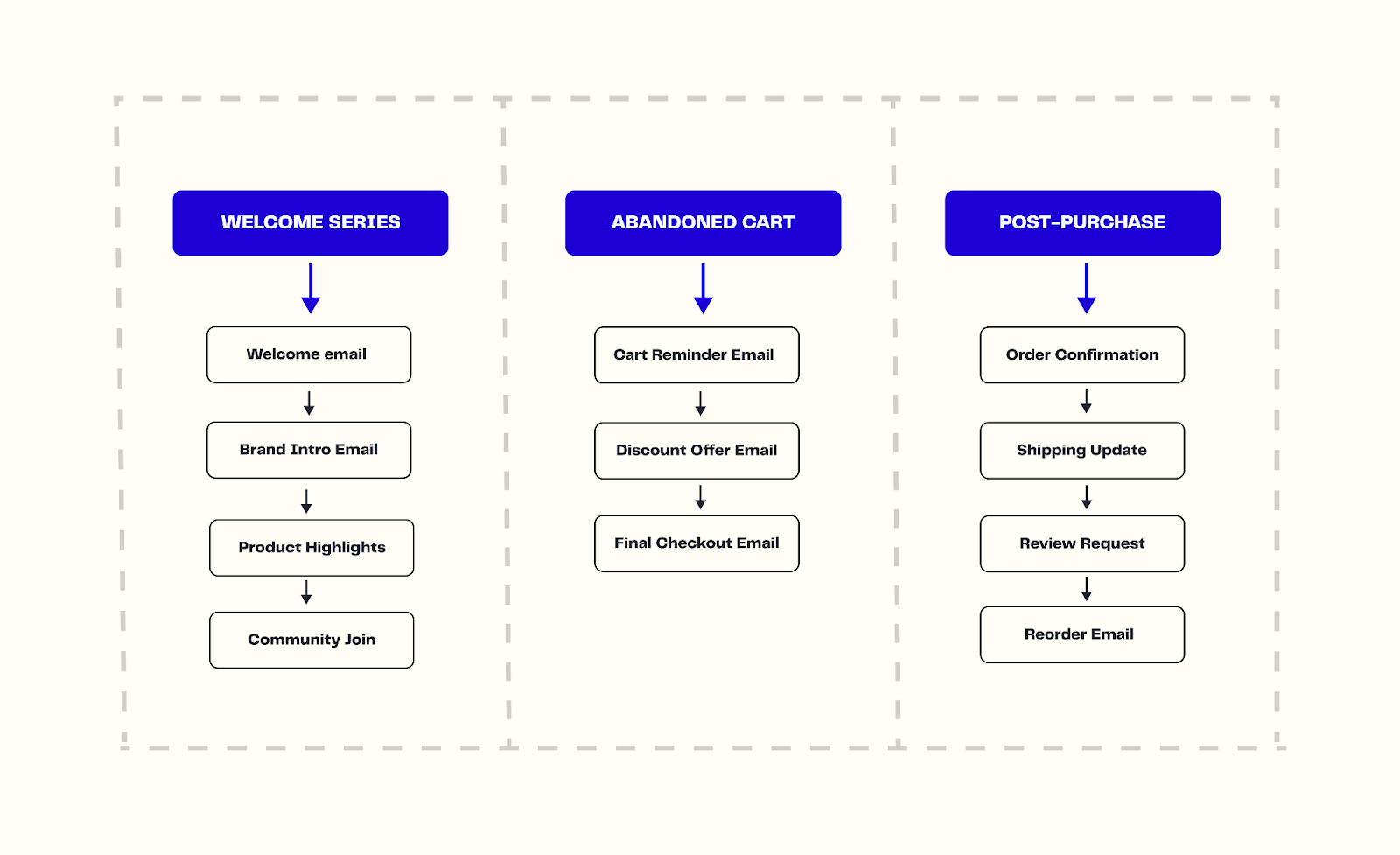
Ben Zettler, founder of Zettler Digital, has audited hundreds of Klaviyo accounts for Shopify brands and sees the same pattern repeat. The flows exist, but they were never designed to operate as a lifecycle. Welcome, post-purchase, and cart flows were built at different moments, for different goals, and now run in parallel instead of progression without a clear job in moving customers forward.
We spoke with Zettler to unpack where email revenue quietly leaks inside lifecycle programs, why early activation matters more than most teams realise, and what separates flows that merely run from systems that compound revenue over time.
When flows exist, but the lifecycle is broken
When auditing an account, Zettler almost never sees a lifecycle designed end-to-end. What he usually finds is a collection of flows added over time:
- A welcome flow goes live to capture signups.
- Abandoned cart emails are turned on to recover lost revenue.
- Post-purchase emails are added to reduce support tickets.
Each step solves a real, immediate problem. But together, they form a lifecycle without intention.
That’s where the gaps appear.
Welcome emails introduce the brand, then leave customers without a clear next step. Post-purchase messages close the loop on an order, then fade without building momentum. Cart recovery brings shoppers back to checkout, then drops them into the broader program with no context for what comes next.
Everything runs, yet no stage clearly moves the customer forward.
Over time, email becomes reactive. Messages fire when events occur, but the underlying decisions never change. Flow revenue plateaus, and campaigns are forced to carry more of the load than a healthy lifecycle ever should.
The biggest revenue leak isn’t where most brands look
When email performance flattens, the root cause is rarely buried deep in winback or reactivation.
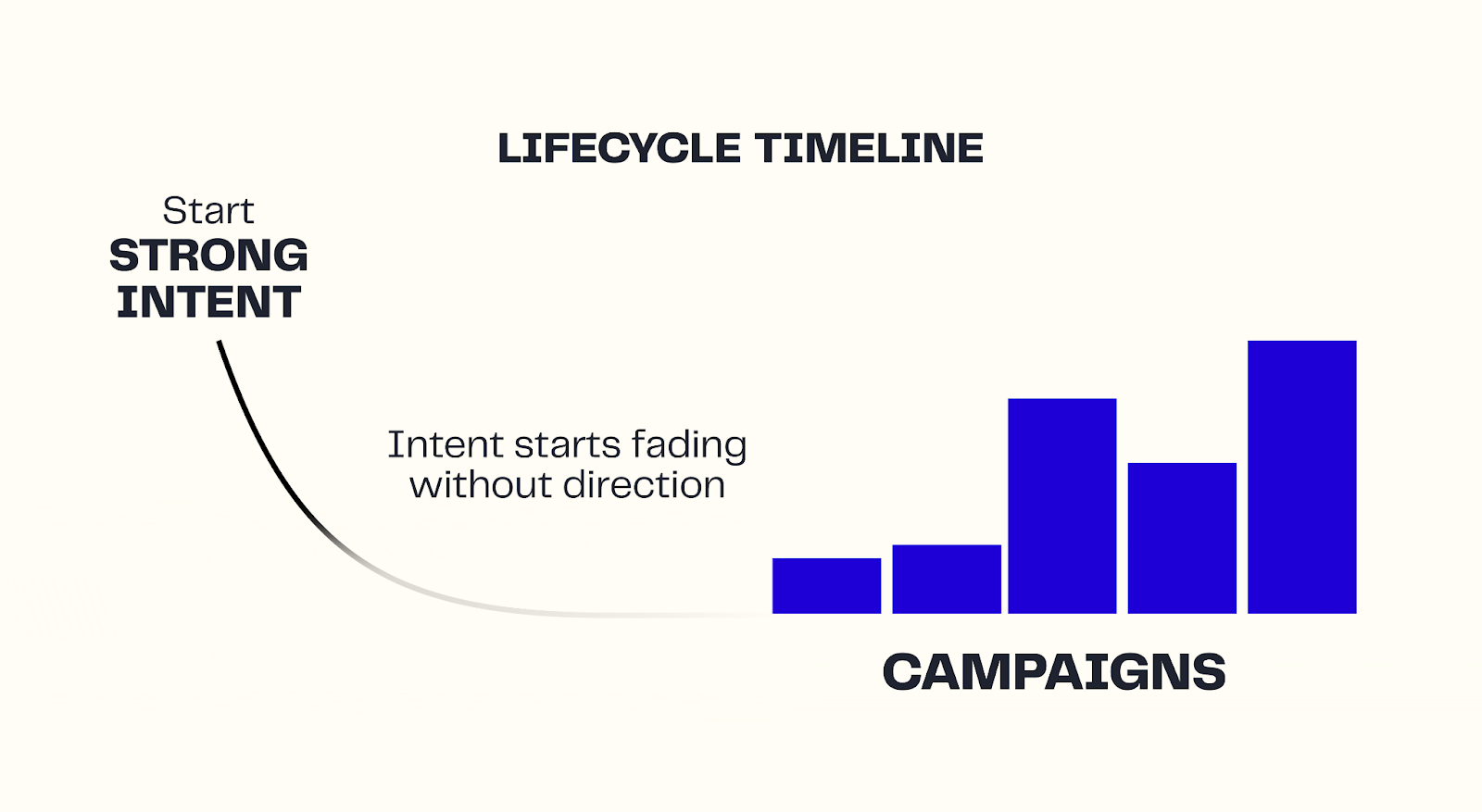
The highest leverage in a lifecycle sits right at the start: the first few days after someone subscribes, and the window immediately after a first purchase. That’s when intent is clear, and decisions are still forming.
In most accounts, that window gets wasted.
Emails are sent, but early behavior doesn’t influence what happens next. The system keeps moving, yet nothing adapts. The result is predictable:
- Conversion rates drop.
- Promotions have to work harder.
- Retention becomes more expensive over time.
By the time teams notice and reach for winback or reactivation, the opportunity has already passed. The system is working harder downstream because it didn’t do enough work upstream.
That’s when campaign pressure builds. Email still drives revenue, but it does so by pushing volume instead of carrying intent forward through the lifecycle.
The signals that tell you something is off
Lifecycle gaps show themselves quickly if you know where to look. Some signals are:
- Early engagement decay: If a large share of new subscribers stop clicking within the first week, it’s usually a sign the system isn’t responding to intent fast enough.
- Flow contribution stagnation: When flow revenue stays flat while campaign revenue grows, it signals that email is relying on pressure instead of structure.
- Flat segmentation performance: When every segment performs roughly the same, it means behaviour isn’t shaping messaging.
Why welcome and post-purchase flows cause the most damage when they break
Welcome and post-purchase flows carry more weight than most teams realise because they set expectations.
The welcome flow trains new subscribers on how to engage. It teaches them which emails are worth opening, what actions matter, and how quickly the brand responds. When that experience is flat or generic, disengagement starts early.
On the other hand, post-purchase flows shape what happens after the first conversion. They influence timing, confidence, and whether a second purchase feels natural or distant. When these messages focus only on confirmation and education, they miss the chance to guide the next decision.
When both stages underperform, the rest of the lifecycle inherits weaker intent. Segments thin out, timing loses relevance, and downstream flows work harder with less intent.
The trap of “optimization without architecture”
Most brands approach lifecycle problems by looking for isolated fixes:
- Which email should we change?
- Should we test a new subject line?
- What if we swap the creative?
Those questions assume the structure is sound.
In reality, teams spend weeks optimizing flows that don’t have a clear outcome. Emails get better, but the lifecycle doesn’t. Activity increases. Insight decreases. The underlying system remains untouched.
Until the architecture is clear, teams don’t know what each stage is responsible for or how customers should move between them. Optimisation improves individual emails without changing lifecycle outcomes.
What a healthy lifecycle system actually looks like
A strong lifecycle system has clear ownership over each stage of the customer journey.
Each stage has a defined purpose, a specific audience, intentional pacing, and clear exit conditions
Flows move customers cleanly to the next stage. Overlap is minimal, suppression logic is deliberate, and progression is intentional.
Instead of thinking in terms of individual emails, healthy systems think in terms of customer states: new subscriber, first-time buyer, active repeat customer, at-risk customer. Each state has a dominant strategy, and customers move forward based on their behavior.
That’s when email becomes predictable again in the best way.
Why activation keeps failing, even when flows are “set up”
Technically, most brands have activation flows in place. Strategically, they don’t.
Zettler regularly sees welcome and post-purchase sequences firing on schedule, but every subscriber follows the same path regardless of what they click, browse, or ignore. Early signals exist, but they go unused.
Activation only works when early behavior shapes the experience. When those signals go unused, subscribers move through a fixed sequence regardless of intent.
From there, every downstream stage inherits weaker intent. The lifecycle keeps running, but it performs below its potential because momentum was never carried forward from the start.
Segmentation isn’t optional. It’s diagnostic.
Poor segmentation turns customer lifecycle marketing into broadcast marketing with extra steps.
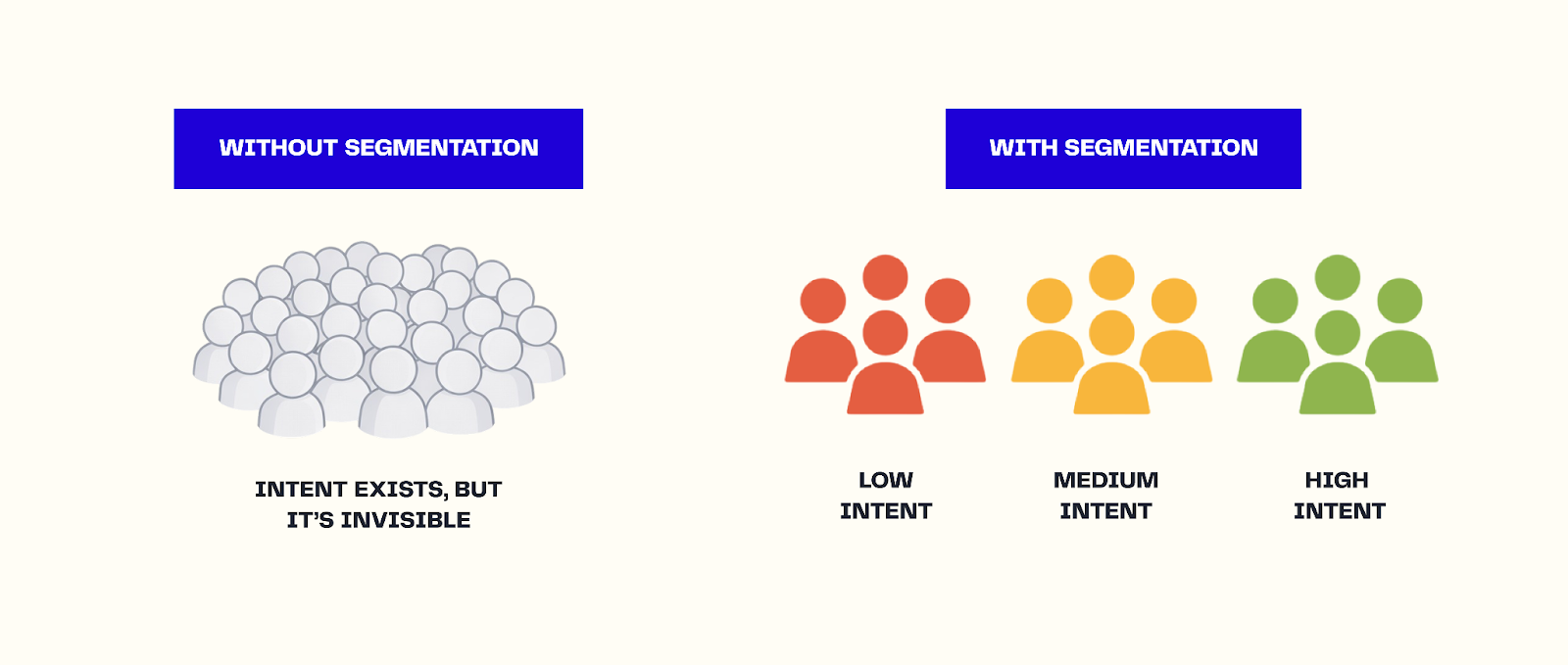
When segments behave differently, it means the system is responding to behaviour. When everything performs the same, it usually means that behaviour isn’t shaping the experience.
Flat performance across segments is one of the clearest signals that early intent is being ignored.
Good segmentation doesn’t add complexity. It gives clarity. It shows where momentum builds, where it drops off, and which stages are doing their job.
Lifecycle as a system, not a channel
Email starts to break when it’s managed around sends and schedules instead of how customers move.
Zettler has noticed that teams focus on sends, schedules, and coverage, but lose sight of how each stage is meant to carry momentum forward.
Early engagement doesn’t influence what follows. Post-purchase activity doesn’t change pacing.
When the lifecycle is built as a system, those connections start to matter:
- What someone does early influences what they see next.
- Timing adjusts based on behaviour.
- Each stage reduces friction for the one that follows.
That’s how flow revenue grows without increasing pressure.
Ready to diagnose lifecycle breakdowns before revenue stalls?
Lifecycle breakdowns don’t happen because teams ignore email. They happen because assumptions go unchecked and early intent goes unused, and campaign pressure slowly replaces lifecycle momentum.
That’s where Tie fits in. When lifecycle is treated as infrastructure, teams need clear visibility into early behavior, intent, and activation signals to understand what’s actually happening before performance slips. Tie gives teams that clarity, making it easier to diagnose weak activation, identify where customers disengage, and act on those signals within their existing lifecycle programs.
When flow revenue stalls, campaigns take on more pressure, and early engagement becomes harder to recover, it’s usually a sign that the lifecycle system needs attention.
Book a demo to see how teams use Tie to build adaptive lifecycle systems and restore compounding email revenue.