Scaling SMS revenue sounds straightforward. Grow your list, send more messages, and capture more conversions.
But SMS isn’t like email. Every send has a cost, every mistimed message risks an unsubscribe, and as volume increases, efficiency often drops.
That is the tradeoff most ecommerce brands run into.
Portland Leather Goods was already seeing strong performance from SMS. To scale further, the team needed to reach more high-intent shoppers without increasing costs, hurting list health, or compromising timing.
After implementing Tie, Portland Leather was able to:
- Drive a 16% lift in SMS flow revenue
- Increase qualified SMS sends by 45%
- Reduce unsubscribe rates by 77%
- Expand reach without increasing operational complexity
Instead of sending more, they focused on reaching the right shoppers at the right moment.
“We’ve seen a 16% increase in abandonment revenue since launching these flows. With how easy the integration was, the return on investment is hard to beat.”
Andrea Haynes, Retention Marketing Manager
About the brand
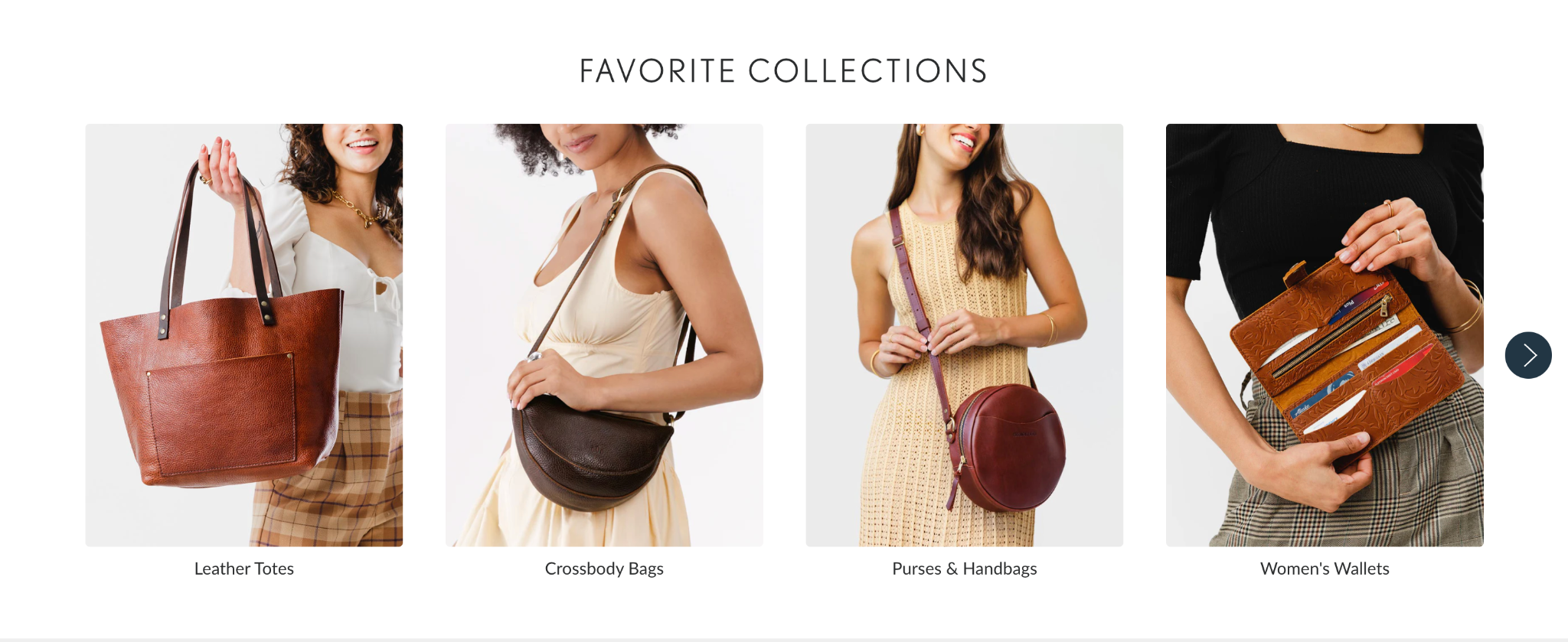
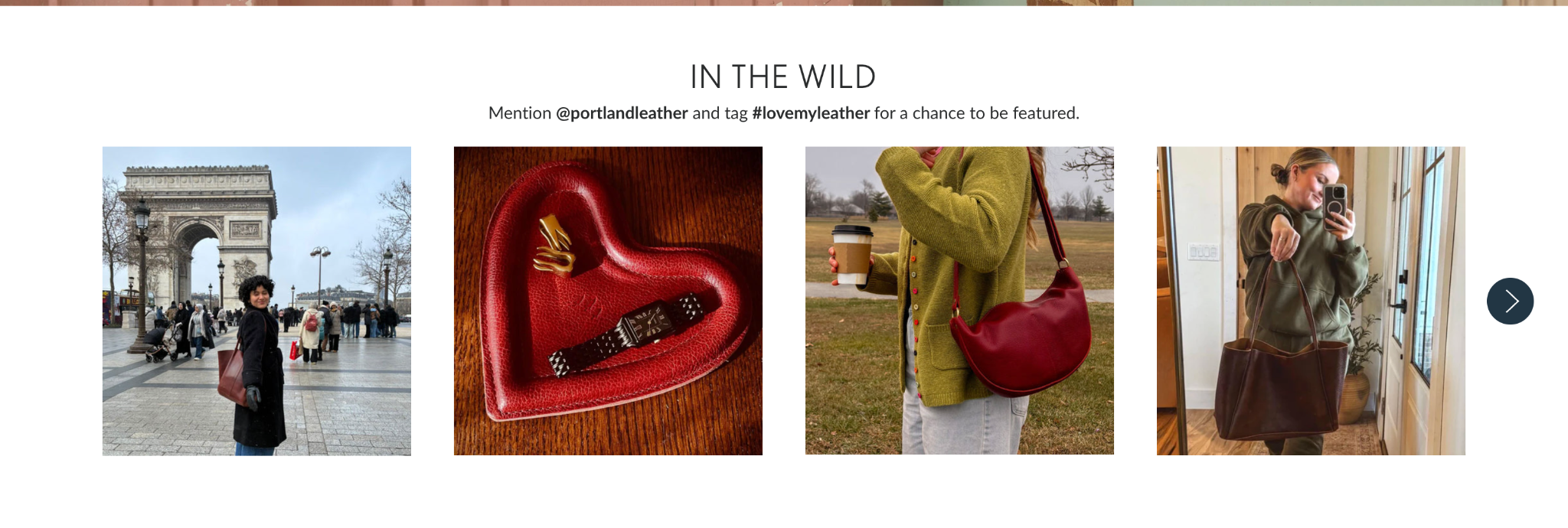
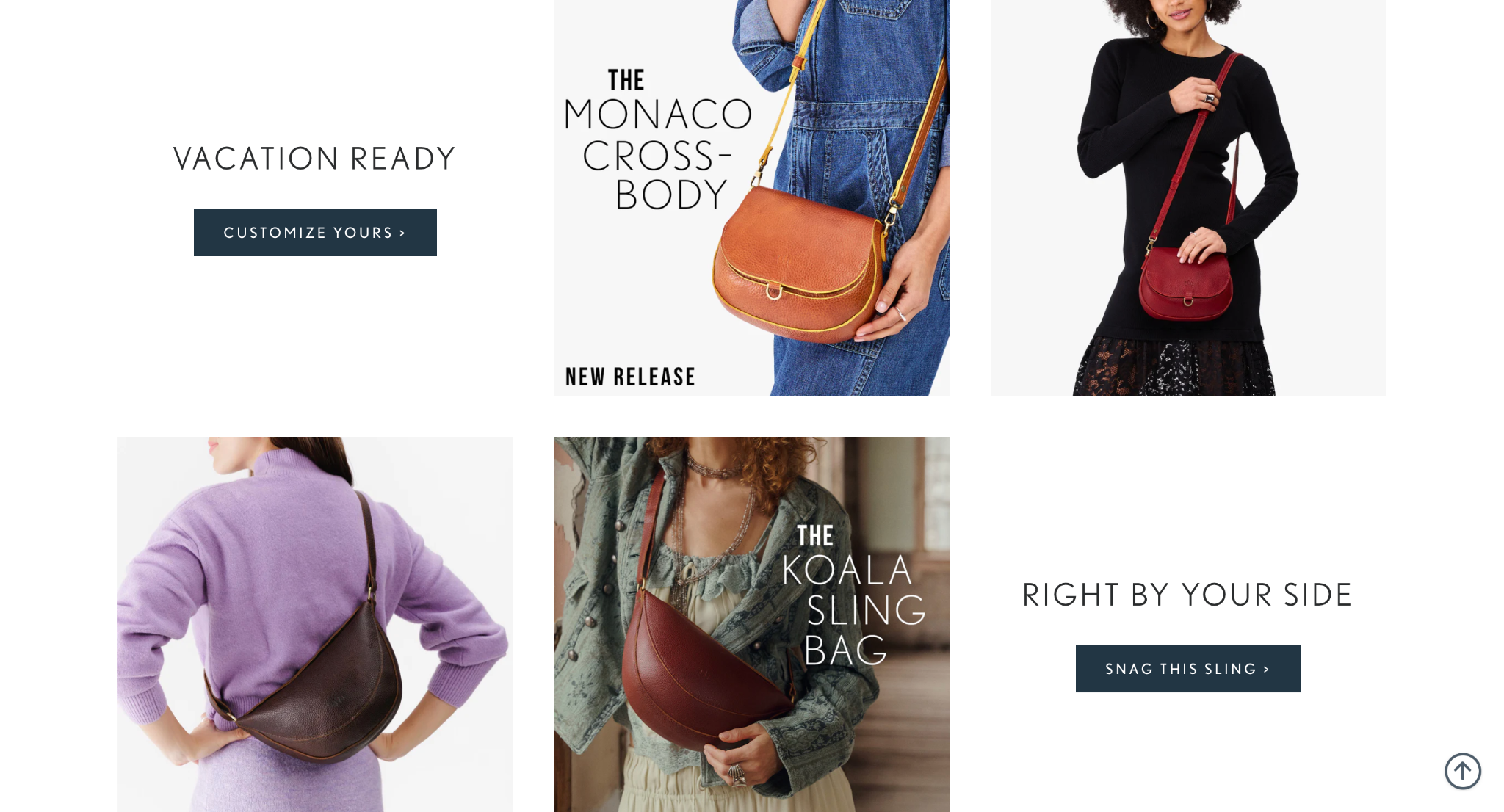
Portland Leather Goods is a direct-to-consumer leather brand known for high-quality, real leather handbags, totes, and accessories at accessible price points.
Founded by Curtis Matsko in Portland, the brand began in a garage with a simple goal to make well-crafted leather goods without the traditional retail markup.
Challenge: Scaling SMS without increasing cost or churn
Portland Leather was not trying to fix SMS. It was already a high-performing channel.
The real challenge was scaling it without breaking what made it effective in the first place. Three core constraints stood out:
1. High-intent shoppers were going unrecognized
A large portion of site visitors showed clear buying intent. They browsed products, returned to the site, and added items to cart.
Many of these shoppers had already opted into SMS at some point. But due to cookie loss, cross-device behavior, or logged-out sessions, they appeared as new, anonymous visitors.
Without consistent identification, SMS flows could only reach a fraction of these high-intent shoppers.
“We had a lot of people coming to the site, but we were missing key signals that told us who they were.”
This caps performance. Even the best flows cannot convert shoppers they cannot reach.
2. SMS costs required precision, not volume
Unlike email, SMS has a direct cost tied to every send.
As Portland Leather expanded into MMS, explored RCS, and supported international growth, efficiency became critical.
More sends did not guarantee better results. Poorly timed messages could quickly reduce ROI.
“We know SMS is expensive. But the ROI is worth it when you hit the right people at the right time.”
Scaling SMS required better targeting and timing, not higher volume.
3. List health depended on relevance and timing
SMS performance is not just about conversions. It is about sustaining engagement over time.
Messages that arrive too early, too late, or without clear relevance increase opt-outs. Once shoppers leave the channel, they are hard to win back.
“We care a lot about the experience. If the timing is off, people leave the channel.”
Portland Leather needed a way to expand reach while maintaining message quality across every touchpoint.
Solution: Expanding SMS reach without increasing send volume
Portland Leather did not rebuild its SMS strategy. It improved the infrastructure powering it.
By introducing identity-based recognition into its existing flows, the team focused on one goal. Reach more high-intent shoppers at the exact moment SMS performs best.
1. Identify previously opted-in shoppers in real time
The first step was solving the visibility gap.
Portland Leather implemented Tie to identify site visitors and reconnect previously opted-in SMS subscribers who appeared anonymous due to device or session changes.
These identities were synced directly into Postscript, allowing flows to trigger for users who would otherwise have been missed.
“There’s already a lot of efficiency in SMS. Being able to capture more of those data points just makes it work better.”
Instead of acquiring more shoppers, the team unlocked more value from traffic that was already landing on their site.
2. Activate identity inside high-intent flows
Rather than expanding broadly, Portland Leather applied this identity layer to its highest-performing flows first:
- Browse abandonment
- Cart abandonment
These flows already captured strong intent signals. Tie simply increased the number of eligible users entering them.
“It helps us reach people while they’re actively browsing or thinking about buying.”
The result was simple but powerful. More coverage at the moments that matter most.
3. Increase reach without loosening targeting
A common way to scale SMS is to widen targeting criteria. That often reduces efficiency.
Portland Leather took the opposite approach.
Tie increased reach by improving identification, not by lowering standards. Every additional shopper entering flows still met the same high-intent criteria, such as product views, cart activity, or repeat visits.
This kept the message relevance while expanding scale.
4. Maintain efficiency with a low-lift system
Operational complexity is often the hidden cost of scaling retention channels.
In this case, integration was fast and required minimal effort. Once live, Tie operated in the background, automatically feeding enriched audiences into SMS flows.
“It was very streamlined. We turned it on, and it just worked.”
The team did not need to manage new workflows or constantly monitor performance. The system scaled without adding overhead.
5. Build a foundation for future SMS growth
With strong results from abandonment flows, Portland Leather began expanding its approach to:
- Welcome flows tailored to identified users
- Campaign targeting using identity-based audiences
- Lifecycle segmentation for long-term retention
Instead of a one-off improvement, identity became part of the broader SMS infrastructure.
Results: 16% revenue lift with stronger engagement and lower churn
Once identity-based recognition was implemented, the impact was immediate.
Portland Leather saw a 16% increase in SMS-driven revenue from browse and cart abandonment flows within weeks of launch.
That lift did not come from sending more messages. It came from reaching more of the right shoppers at the right time.
More reach, same level of intent
SMS sends increased by 45% within abandonment flows, driven entirely by improved identification, not broader targeting.
Additional shoppers entering flows showed the same high-intent behavior as existing audiences. This maintained performance quality while expanding scale.
77% lower unsubscribe rate
Even with increased reach, unsubscribe rates dropped by 77%.
This signaled a stronger message timing and relevance, which directly impacts long-term channel performance.
“The unsubscribe rate really surprised us. It tells us we’re hitting people at the right time.”
Stronger engagement across the funnel
Identified users showed higher engagement and conversion rates, feeding into post-purchase flows where repeat purchases are more likely.
“Once someone buys once, they’re much more likely to buy again. This helps us get there faster.”
The impact extended beyond individual flows and strengthened the entire retention system.
Ready to scale SMS revenue without increasing costs or churn?
Most ecommerce brands treat SMS growth as a volume problem. More subscribers, more sends, more campaigns.
At scale, that approach breaks. Costs rise, engagement drops, and unsubscribes increase.
Without a reliable way to identify high-intent shoppers, you are leaving revenue on the table while risking long-term list health.
Leading brands like Portland Leather solve this by strengthening the identity layer behind their SMS strategy.
With Tie, you can:
- Identify high-intent visitors already on your site
- Activate them inside SMS flows at the right moment
- Increase revenue without increasing send volume
- Maintain list health with better timing and targeting
Book a demo to see how Tie helps you turn SMS into a more efficient and scalable revenue channel.