How Tie Predict Works: A Complete Guide to Identity-Backed Purchase Intent Scoring

Klaviyo knows what your subscribers have done. Tie Predict knows what they are about to do. This guide covers exactly how that works, why it matters, and what your team does differently once you have daily AI segmentation scores in Klaviyo.
The Problem Predict Was Built to Solve
Most email programs segment on engagement history. Your "active" segment is whoever opened or clicked in the last 30/60/90 days. Your exclusion list is everyone else.
That logic has two structural gaps. First, it tells you what someone did, not what they're about to do. A shopper who opened something three weeks ago is not necessarily high-intent today. A shopper who has not opened in six months may be browsing your site on a different device right now. Engagement history cannot tell the difference.
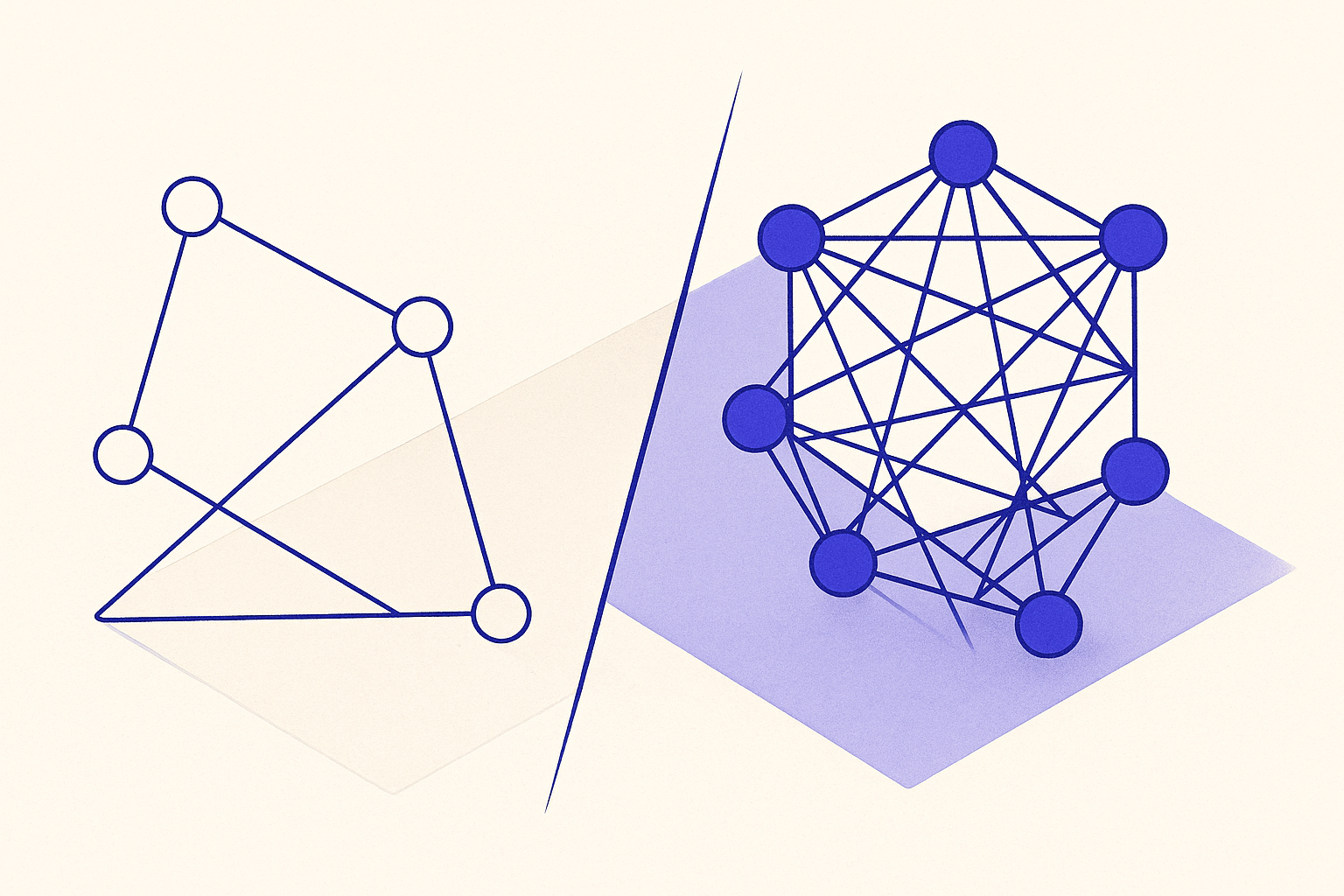
Second, it's limited to the contacts you already have. Roughly 90 percent of your site traffic is anonymous, so Klaviyo cannot associate them with a profile, even if they've already subscribed. Every scoring tool built on top of Klaviyo data therefore can't see the majority of your actual site audience on any given day.
Predict was built to close both gaps.
What Predict Scores
Predict generates three score types per shopper, each on a 1 to 10 scale:
Purchase Score
The probability that a shopper will make a purchase in the near term. This is the primary score for campaign segmentation, highest-priority send decisions, and suppression logic.
Open Score
The probability that a shopper will open an email if sent. Useful for optimizing deliverability-sensitive segments and for suppressing low-intent contacts to protect sender reputation.
Click Score
The probability that a shopper will click through an email. Useful for product-launch sends and time-sensitive campaigns where click engagement is the primary conversion signal.
All three scores are refreshed daily and sync to Klaviyo as native profile properties. No new dashboard to log into. Your team uses Predict scores in Klaviyo the same way they use any other profile property: in flow conditions, campaign segments, and A/B test definitions.
The Signal Layer: Why It Is Different
Engagement-based scoring asks: what has this contact done inside Klaviyo? Tie Predict asks: what is this shopper doing right now, across every device and session?
The answer draws on 55+ signals from Tie's identity graph, including:
- Cross-device browse behavior. A shopper who has not opened email in 90 days may be browsing your product pages on mobile. Klaviyo sees dormancy. Predict sees high-intent browse, connected to a known shopper on your list.
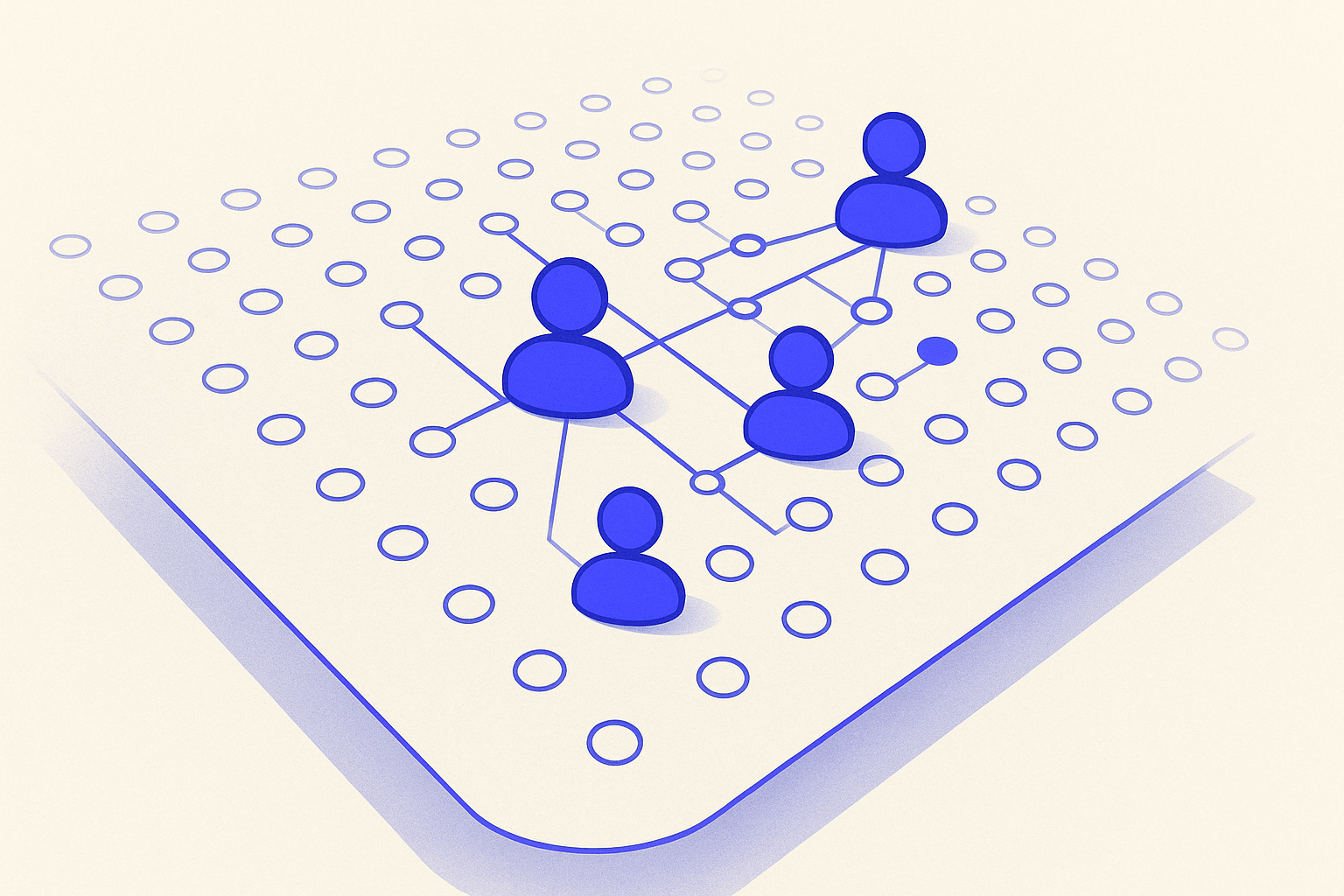
- Anonymous site traffic. Tie's identity graph identifies anonymous visitors and matches them to known consumer profiles. Predict then scores those visitors for purchase intent. These shoppers were never in your Klaviyo list, but they are on your site right now, and high-intent ones can be retargeted with ads, offered custom opt-in deals, or targeted with direct mail campaigns.
- Recency and frequency of on-site sessions. How recently and how often a shopper visits, across devices, weighted by product-page depth.
- Identity graph signals. 280 million-plus US consumer profiles, 300-plus Tie Attributes per profile, including demographic and behavioral enrichment beyond what any single brand can observe alone.
The result is a complete intent picture: the opted-in list you already email, the suppression list you stopped emailing, and the anonymous visitors you have never emailed -- all scored daily.
How Scores Reach Klaviyo
The integration is a direct API sync. No middleware, no CSV export, no manual import.
Step 1: Tie identifies your site visitors.
Tie's identity graph identifies anonymous visitors browsing your site and matches them to known identity profiles where possible. This is the Tie ID layer -- the foundation that powers Predict.
Step 2: The scoring engine runs daily.
Every morning, Predict processes the full identified audience: opted-in list contacts, re-identified anonymous visitors, and suppression-list profiles with cross-device signal. Three scores per profile, refreshed from the prior 24 hours of behavior.
Step 3: Scores sync to Klaviyo as profile properties.
Three properties land on each Klaviyo profile: tie_predict_purchase, tie_predict_ open, tie_predict_ click. Values range from 1 to 10. They are immediately available in Klaviyo's segment builder, flow conditions, and campaign filters.
Step 4: Your team segments on intent, not engagement.
Replace "opened in last 90 days" with "purchase intent score 8 or above." Add a flow condition that suppresses contacts below a purchase intent threshold on promotional sends. Test a campaign segment built entirely on intent score against your standard active segment. The scores are live; your existing Klaviyo infrastructure handles the rest.
The Dead-List Recovery Use Case
This is the use case that generates the most surprise in early conversations. You have a suppression list. Klaviyo says those contacts are unengaged. You have stopped sending to them.
Predict does not treat "no recent opens on this email client" as the last word. It looks at whether those contacts are active on your site via cross-device signals. In many cases, they are. They are browsing. They have not unsubscribed. They are just invisible to engagement-based scoring.
Negative Underwear ran Predict on their suppression list and surfaced 8,000 active contacts from a 200,000-contact Klaviyo "dead" list. Those contacts were not gone. They were unscored.
Measuring What Predict Actually Contributes
Every Predict proof-of-concept runs with a holdout group. This is not optional. It is the methodology.
A percentage of the identified audience is randomly excluded from Predict-scored sends throughout the POC period. Revenue from the Predict-scored group is compared against revenue from the holdout group over the same period. The delta is attributable to Predict, not to creative, offer, or seasonal lift.
This is why the proof numbers are holdout-tested:
- Caraway Home: +21% placed-order rate versus Orita in a direct head-to-head
- Sharper Image: 2x placed-order rate; +41% revenue per recipient; +36% CTR
- Portland Leather Goods: +18% incremental revenue per campaign
Each of these is a holdout-based result with that brand's own data. Not an industry benchmark. Not a modeled projection.
What Predict Does Not Do
Predict scores intent. Your team activates on those scores. Predict does not generate or send email. It does not make send decisions autonomously. It does not replace your creative team, your Klaviyo flow logic, or your campaign strategy. It is a signal layer that your existing infrastructure acts on.
This distinction matters for how you evaluate it. The question is not "will Predict replace our email program?" The question is: "are we segmenting on the best available signal, or on the best available signal from 90 days ago?"
FAQ
What is identity-backed purchase intent scoring?
Identity-backed purchase intent scoring uses an identity graph to score both opted-in contacts and anonymous visitors for their likelihood to purchase. Unlike engagement-based scoring, which is limited to contacts already in the ESP, identity-backed scoring draws on cross-device signals and unknown visitors to produce a complete intent picture across your full audience.
How is Tie Predict different from Klaviyo K:AI?
Klaviyo K:AI scores based on Klaviyo-internal data: engagement history from your email list. Predict draws on 55+ external signals from Tie's identity graph, including cross-device browse behavior and anonymous site visitors Klaviyo cannot identify. Klaviyo K:AI cannot score a visitor who has not opted into your list. Predict can.
Does Predict work for brands not using Klaviyo?
Predict is currently built for Klaviyo as the primary integration. Ad Network Scores extend purchase intent to Meta and Google ad events for retargeting and suppression.
How are intent scores delivered to Klaviyo?
Scores sync daily as native Klaviyo profile properties: tie_predict_ purchase, tie_predict_open, tie_predict_click. Available immediately in segment builder and flow conditions without any additional configuration.
Is there a free trial?
No. Entry is a three-month paid proof-of-concept with holdout-based incrementality measurement. The paid POC structure is the proof mechanism: results are validated against your brand's own data, not modeled from industry averages.
How long does setup take?
Integration typically takes 24 to 48 hours from pixel install to first score sync. Full onboarding and holdout group configuration is completed in the first week of the POC.
What happens to my suppression list?
Predict can score your suppression list using cross-device signals. Contacts in your suppression list who are actively browsing your site on a different device will surface with high intent scores. Your team decides whether and how to re-engage them.
What is the minimum list size or traffic volume?
Predict is designed for DTC brands with 100,000 or more US monthly unique visitors. Below that threshold, the signal volume available from anonymous traffic is limited and holdout testing becomes statistically thin.