What is Cookieless Marketing, And How to Adapt to It


Cookieless marketing isn’t the death of data. It’s the end of effortless data. Third-party cookies gave marketers ambient visibility into user behavior, stitching sessions together without consent, identity, or accuracy. That era is over.
Browsers, privacy laws, and platform policies have stripped out passive tracking, leaving brands with a simpler rule: you can only measure what you earn. To operate in this new environment, you need to rebuild your stack around verifiable, consented, server-stable signals, not the disposable identifiers cookies used to provide.
This guide breaks down the core signals that replace third-party cookies and shows how ecommerce brands can rebuild measurement, targeting, and attribution around data they actually control.
Signals that power cookieless marketing
In a cookieless world, your marketing depends on three signal types that platforms can still trust.
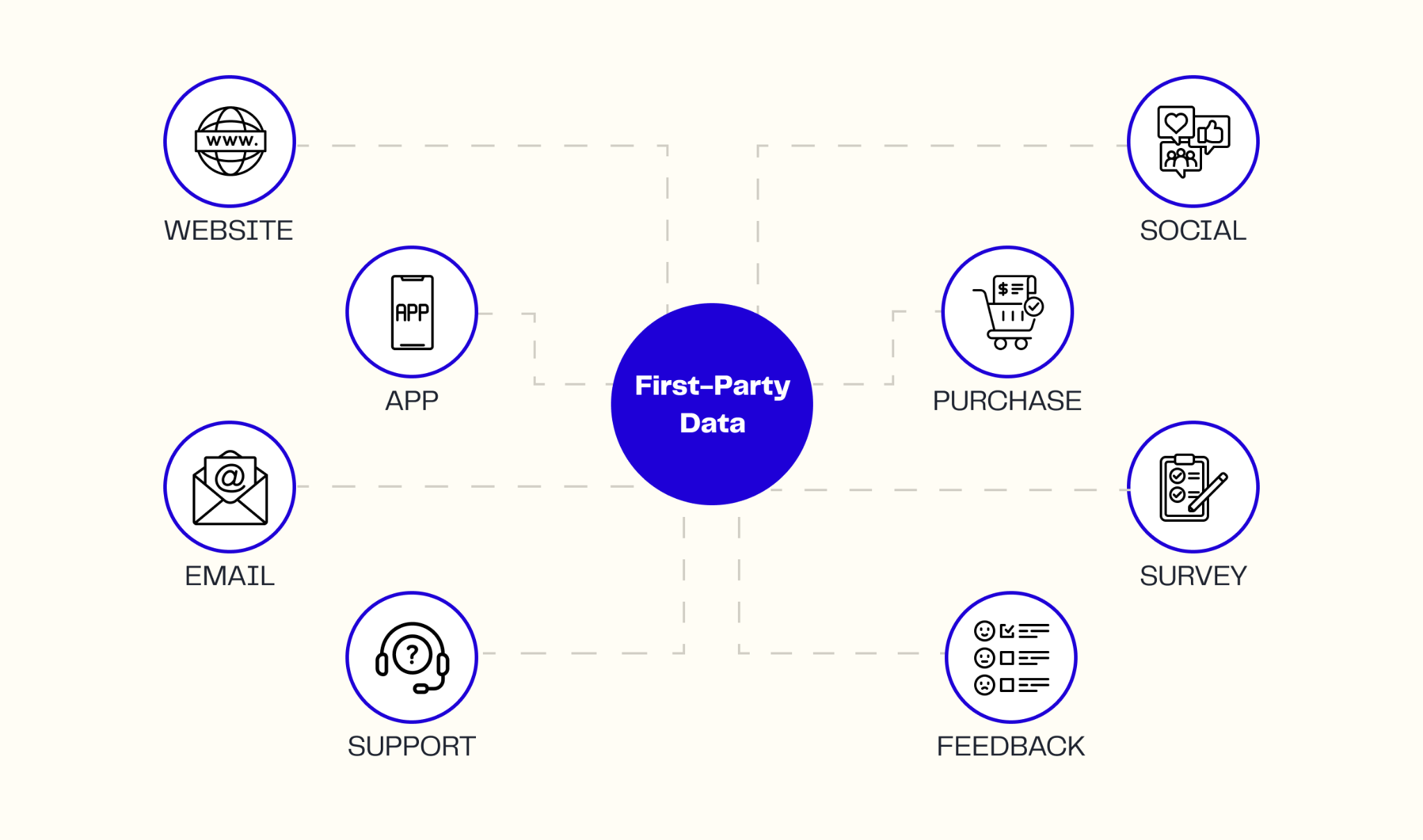
1. First-party and consented data
Move away from third-party cookies and capture identifiers directly on your site: emails, phone numbers, logins, and high-intent actions tied to consent.
These identifiers are the backbone of cookieless analytics. They persist beyond browser limits and anchor all connections across your stack.
2. Modeled measurement and server-side event pipes
Google Analytics and Meta now trust server-side conversions far more than pixel-only setups. You send events from your server with full match keys, proper hashing, and correct dedupe logic.
This gives each platform enough information to rebuild the identity link that third-party cookies used to handle. Instead of guessing, they can model the missing parts of the journey with far higher accuracy.
3. Alignment with consent mode and hashed first-party data
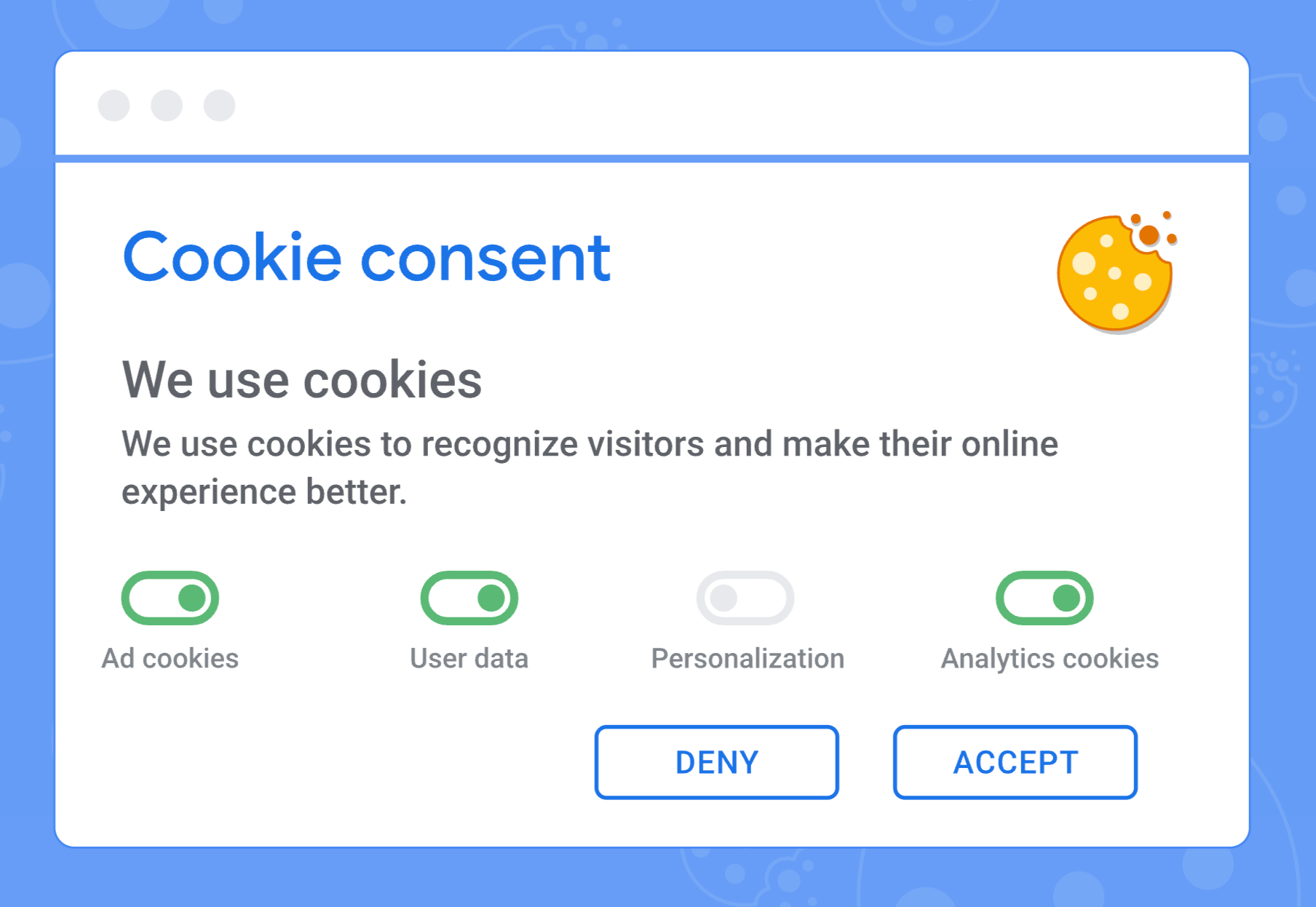
Consent now directly shapes what your analytics can measure. If your stack isn’t aligned with Google Consent Mode, attribution drops the moment a user rejects tracking.
You maintain measurement accuracy when you pass hashed first-party data and allow platforms to model only what you’re legally permitted to recover. This gives you two performance-critical outcomes:
- You retain visibility into conversions even when browser tracking is limited.
- You give bidding systems enough high-quality signals to stay efficient.
Marketing in a cookieless world: A roadmap
When identity is weak, marketing initiatives fall apart. When identity resolution is consistent, every touchpoint, from targeted ads to email, runs smoother.
Before you build anything, get clear on the assumptions that shape your reach and your performance:
- Share of your reachable audience across devices
- Server-side coverage on Meta and Google
- Consent patterns across regions (especially under GDPR and CCPA)
- Inbox health (if email drives your retention marketing strategies)
Once you have this baseline, define your minimum viable identity. This tells you the exact match quality you need before launching paid or lifecycle campaigns.
To operate confidently in digital advertising in a cookieless world, you need systems that work even when the user’s browser gives you nothing. This means stable identifiers, reliable first-party data sources and a clean way to track individual user behavior without depending on third-party cookies or brittle signals.
A strong identity layer gives you:
- More accurate data collection.
- Higher match rates across ad platforms.
- Better use of your customer data in lifecycle flows.
- Consistent attribution despite user privacy regulations and privacy concerns.
Landscape
Safari and Firefox have long blocked third-party cookies. Chrome now gives shoppers more control, and ad platforms are steering everyone toward first-party cookies, clean APIs, and privacy-compliant integrations.
Identity, not cookies, is the anchor. The right identifiers help you track user intent, understand user experience across the customer journey, and stay aligned with user data privacy laws.
Every brand is competing inside the same privacy-first ecosystem. You win by tightening your upstream identity layer so more sessions resolve cleanly, more events sync in real-time, and more campaigns are tied to real people, rather than broken pixels.
Cookieless digital marketing: Building blocks
The shift to a cookieless model isn’t abstract. You need clear systems that keep your targeting, measurement, and activation stable even when browsers block traditional signals.
Here are the systems to put in place if you want consistent performance, accurate measurement, and stable targeting:
Google: Tighten identity, trust real signals
Google rewards you when you send clean, consented, server-side data. You should anchor your setup on three levers that directly affect performance:
- Turn Consent Mode v2 on so that Google can model behavior when users reject tracking.
- Set up Enhanced Conversions with SHA-256 hashing so purchase and lead events tie back to real user profiles, not fragile browser data.
- Use publisher–advertiser matching only where it improves accuracy; it gives clean joins for upper-funnel routes.
Avoid using Topics as your performance engine. Topics were designed for broad interest clusters, not high-intent optimization. You get far better accuracy when you send first-party IDs and server-side events consistently, even if the target audience is smaller. Google’s systems learn faster when the signals are trustworthy.
Meta: Dual pipelines and weekly match reviews
Meta’s accuracy depends on the quality of the identifiers you pass. One weak field can break the entire chain. You protect performance when you run both pathways in parallel:
- Run pixel + Conversions API with strict deduplication rules. This catches browser gaps and iOS losses without inflating events.
- Pass full match keys (email, phone, external IDs, device parameters where consented). Meta uses each key to rebuild identity across surfaces.
- Audit event match quality weekly. Match quality moves with traffic sources, new landing pages, and offer changes. A small drop can lower ROAS before you notice it in reporting.
Server-side routing is the real advantage here. It holds steady under iOS privacy shifts and fixes most attribution gaps before they show up in your reporting.
Customer data platform (CDP) and ad-tech options worth knowing
You can’t run cookieless performance without a clean source of profiles and a clear governance model. Three tools matter when you need structure, and not quick fixes:
- Adobe RTCDP gives you first-party profile activation with strict governance. It’s built for marketing teams that want reliable identity stitching and safe activation inside paid channels.
- Demandbase is proven for B2B cookieless advertising. It relies on account-level identity instead of third-party cookies, giving you reach where traditional B2B pixels fail.
- Lotame Panorama ID provides open-web scale when other identifiers drop off. Panorama ID case studies show stable reach and match rates in environments where cookie-based identity collapses.
Cookieless marketing strategies: What scales
You can still scale performance without third-party cookies. You just need to shift from ambient tracking to deliberate identity, clean event pipes, and measurement that works even when the browser gives you nothing. These are the plays that hold up under pressure.
1. Build consented capture into every surface
Use high-signal formats: short quizzes tied to product matching, back-in-stock alerts based on SKU interest, price-watch tools for deal-sensitive users, gated editorial that filters serious readers, and creator collaborations that trade exclusive access for verified identity.
These formats give you clean, consented emails and phone numbers. You then enrich each identity so your match keys get stronger, not just longer. This is where cookieless marketing efforts actually gain reach.
2. Send fewer, stronger signals
Push server-side purchase and lead events with durable IDs. Strengthen the on-site signals that correlate with revenue, like high-depth product views, active carts, checkout steps, and authenticated browsing.
Remove every client-side event that doesn’t influence bidding or attribution. This is how cookieless marketing automation stays stable when browser signals collapse.
3. Re-architect retargeting so it survives browser loss
Use on-domain audiences that don’t break across devices. Push Meta CAPI and Google EC events to keep modeled remessaging alive even when pixels fail.
Test publisher deals that use PAIR or clean-room matching for upper-funnel reach. Then run email-led cycles that maintain inbox trust and avoid spam traps. These channels survive cookie loss, which is why they anchor modern cookieless marketing channels.
4. Measure what changes when identity gets stronger
Run holdouts, measure modeled conversions, and compare performance shifts after identity improvements (match rate, consent rate, and signal depth), not after creative changes. Also, look at revenue-per-recognized user and ROEAS deltas that move when your identity layer gets stronger.
Marketing strategy when cookieless
A practical cookieless strategy has three parts that work together:
- Diagnosis: Privacy laws and platform shifts remove browser tracking, so you stop planning around it.
- Guiding policy: Favor server-side signals and first-party identity because these survive every platform change.
- Coherent actions: Capture consent, enrich profiles, send clean signals, and protect deliverability so your emails reach real people.
Set explicit stop rules. If consent drops or match rates fall, pause scaling and fix identity before increasing spend.
Quick wins vs. long plays
You need two tracks when you operate in a cookieless environment: moves that fix gaps fast, and moves that build long-term stability. Both matter, but they solve different problems.
Quick wins
These are actions you can ship in days. They stabilize signal quality and recover lost conversion rates without changing your architecture.
- Turn on Consent Mode v2 so Google can model the sessions you can’t track.
- Deploy Enhanced Conversions with hashed identifiers to restore clean joins.
- Ship Meta CAPI with correct match keys and event dedupe so attribution stops drifting.
- Fix deliverability so lifecycle flows reach real inboxes and carry more revenue pressure.
Long plays
These take time, but they build the identity layer you’ll rely on once third-party cookies phase out.
- Enrich your profile graph with verified attributes so match quality improves across every channel.
- Test PAIR and clean-room routes to unlock privacy-compliant reach on publisher inventory.
- Build direct publisher alliances that remove intermediaries and give you stable targeting after cookie loss.
- Shift more journeys into in-app and SMS, where user consent is clear, and data loss is minimal.
Geofencing for marketers
Geofencing still works in a cookieless environment, but you can’t use it the way legacy teams did. You’re no longer using it to micro-target anonymous website traffic, but to bridge offline intent into your identity system.
A geofence gives you one definitive insight: someone with real-world intent crossed a precise boundary at a precise time. That signal is stable even when cookies break. But that signal is useless without identity. So your entire goal becomes to convert that moment into a permissioned profile you can use later.
This is how you need to design the system now:
- Place fences only where the intent is strong enough that someone will trade identity willingly.
- Attach each trigger to a value exchange: loyalty perks, instant offers, guided help, or post-visit follow-ups.
- Connect the physical touchpoint directly to your CRM so the location event becomes a usable attribute, not an isolated ping.
- Measure geofencing by reachability and match quality, not impressions or radius size.
Additionally, consent rules change by region, so you anchor the entire workflow to explicit value. You make the offer clear, the terms clean, and the data use transparent. This keeps your lists healthy and protects you from privacy failures that break downstream campaigns.
Impact of cookieless tracking on digital marketing: What breaks and what doesn’t
The shift to cookieless tracking doesn’t wipe out digital marketing, but it does expose every weak part of your identity and measurement stack. You feel the impact most where your system depends on thin or browser-dependent signals.
What breaks
- Open-web retargeting shrinks: Third-party cookies used to hold your audience together across domains. Without them, your retargeting pools drop fast, and your suppression logic becomes unreliable.
- Lookalikes weaken: Platforms can’t build strong models off pixel events that lose identifiers, so similarity scores drop and your CPMs rise.
- Attribution gaps widen: Browser-level limits break the chain between clicks, sessions, and purchases. You lose the detail that made last-click look “clean,” even when it wasn’t.
- Reliance on modeled conversions rises: Platforms fill gaps with statistical modeling, which works only when your upstream signals are consistent. Without that, noise replaces insight.
- Lift tests become necessary: You need structured holdouts because surface-level metrics no longer show true incrementality.
What doesn’t break when you prepare
- Brand and search pairing: Search intent remains strong, and brand lifts amplify it even without cookies.
- Creator-led discovery: Identity here is native to the platform, so cookie loss doesn’t cut your reach.
- Email and SMS retention: Strong email deliverability and clean identifiers make these channels more durable than pixel-dependent ads.
- Server-side signals for smart bidding: When you pass events server-side with hashed IDs, Google and Meta still optimize with high accuracy—even when browser tracking collapses.
Cookieless affiliate marketing
Cookieless tracking doesn’t collapse digital marketing, but it removes the shortcuts that hid weak identity systems. Once third-party cookies fall away, the cracks in your retargeting, modeling, and attribution show up fast.
To make sure this doesn’t happen, here is a structure that keeps scale intact even when third-party cookies disappear.
1. Strengthen what affiliates pass
Affiliates need to send click-level data that can persist outside the browser. You want:
- Robust click IDs that persist long enough for you to tie the visit to a later conversion.
- Consent flags that document user permission at the moment the click occurred.
- Clean metadata (timestamp, placement, device hints) so you can rebuild the path without relying on cookies.
2. Reconcile conversions with your first-party data
Don’t let browsers determine credit. Instead, reconcile conversions on your server, where identity is stable and based on your own data. This lets you:
- Match first-party identifiers (email, phone, hashed account data) to affiliate click IDs.
- Reduce leakage from cookie resets or long consideration cycles.
- Fight last-click bias with verified conversion paths instead of pixel guesses.
3. Use privacy-safe identity syncs to recover scale
When open-web identity shrinks, you replace it with controlled, privacy-safe routes. Two options work well:
- Clean-room syncs with major publishers, where both sides match hashed identifiers without exposing personal data.
- PAIR-like integrations, which help you rebuild reach even when browser-level tracking collapses.
4. Make first-party events your source of truth
Every conversion you send to the affiliate network should come from your server, not a browser pixel. This gives you:
- Verified conversion logs
- Fraud resistance
- Stable attribution across devices and sessions
5. Connect it all with an identity-first baseline
Cookieless affiliate programs work only when identity is solid at every step: click, consent, conversion, and reconciliation. This is where an identity platform like Tie becomes useful. It strengthens match keys, cleans your events, and keeps attribution stable across channels and partners.
In just 14 days, Tie upgrades your identity coverage, match quality, server-side events, and deliverability, giving your promos and performance budget a clean, reliable foundation. Book a demo!
Checklist to optimize tracking and marketing
Your system remains predictable only when identity, consent, and signal quality work together. This checklist helps you lock those pieces in place.
Contact Tie for a cookieless readiness audit and see how identity, enrichment, deliverability, and server-side events widen your reachable audience and stabilize performance before you plan your next quarter.
Frequently asked cookieless questions
What is cookieless marketing vs. Google’s Privacy Sandbox?
Cookieless marketing is the overall shift away from third-party data via cookies toward first-party data, consented identifiers, and server-side signals you control.
Google’s Privacy Sandbox is Google’s specific replacement for third-party cookies in Chrome, using aggregated, browser-based APIs for targeting and attribution.
What is PAIR, and when should we test it?
PAIR is a secure, publisher–advertiser match built on first-party data, without third-party cookies. You test it once you have a sizeable pool of consented emails or phone numbers and publishers you trust. It’s one of the few routes that keeps open-web reach intact under strict privacy rules.
Does it matter if cookies remain in Chrome?
Yes, it still matters if cookies remain in Chrome. Safari and Firefox already block third-party cookies by default, consent rules limit passive tracking, and platform APIs now outweigh browser signals. Even if Chrome delays changes, the economics have already shifted. Treat cookies as a bonus, not a baseline. This is the mindset that defines cookieless future marketing.
Does Google Topics API matter for performance?
Topics give you broad interest hints, not performance-grade signals. You get far better results from first-party IDs, hashed Enhanced Conversions, and server-side events. Use Topics only as a small add-on once your consented data is stable.
What should my “cookieless stack” include on day one?
Your baseline stack should cover the full chain from consent to activation:
- A consent CMP + Consent Mode v2
- Server-side events (Meta CAPI, Google Enhanced Conversions)
- Identity resolution and enrichment
- Deliverability monitoring
- Early clean-room or PAIR pilots for open-web reach
This is the base of a dependable cookieless marketing platform and the workflows that power your cookieless marketing automation.
Which vendors or resources are worth scanning?
A few vendors and resources stand out because they focus on identity instead of cookies:
- Adobe RTCDP for enterprise-grade first-party activation
- Demandbase for B2B program stability
- Lotame Panorama ID case studies for open-web reach
- CookieYes for clear consent mechanics
These help you evaluate cookieless marketing software, compare identity routes, and plan the right cookieless marketing technology for your stack.



Identity, intent and inbox placement for ecommerce brands, inside the tools you already run.
Klaviyo Preferred Tech Partner