

Retention is something most brands say they care about, but very few actually run it like a growth channel.
Until a brand reaches scale, retention is usually handled alongside everything else. The same person running paid ads is also managing Klaviyo. Flows get set up once and rarely revisited. Campaigns go out based on what needs to be sent, not what the data shows.
Since revenue keeps coming in, the program appears to be working. But performance plateaus early.
Over time, the strategy leans heavily on promotions. Deliverability health quietly deteriorates in the background, popups see a stagnant 5% conversion rate, and flows run without growing.
The problem lies in execution. The brands that get it right approach retention the same way they approach paid acquisition. They test consistently, measure performance clearly, and tie decisions to revenue outcomes.
We spoke with Elliot Kovac, founder of Dispatch, who audits 8- and 9-figure ecommerce brands every week, to understand where retention programs actually break down and what it takes to build one that scales successfully over time.
TL;DR
- Most retention programs plateau because they aren’t actively managed
- Treat retention like a channel with clear ownership, consistent testing, and defined metrics
- Performance is driven by inputs—list growth, deliverability, and how many shoppers you can actually reach
- Promotions work, but relying on them alone limits learning and long-term growth
- Lifecycle systems perform best when tied to business goals, with offers aligned to those outcomes
- Keep segmentation tight so teams can execute and test quickly
- Remove friction across touchpoints to improve conversion without adding volume
- Measure retention through repeat purchase rate, LTV, and payback, not just campaign revenue
Most retention programs are underbuilt
Retention is treated as a priority, but the way it’s set up rarely reflects that.
In many teams, retention is managed by someone who is also handling campaigns, coordination, and sometimes even parts of acquisition. There is no clear structure for testing, iteration, or performance tracking.
As a result, flows are built once and left running, and campaigns are sent based on timing rather than a clear plan. Over time, this creates gaps that are easy to miss.
- Flows stop improving because no one is actively testing them.
- Campaigns generate revenue, but there is little clarity on what is actually working.
- Performance changes, but the reasons behind those changes stay unclear.
Kovac summed this up simply:
“Everyone says retention is important, but the resources aren’t actually in place.”
This also shows up in how automations are treated. They are often seen as something that runs in the background once set up, rather than a core part of revenue generation.
“Automations are just looked at as set it and forget it.”
When retention is handled this way, it continues to generate revenue, but it does not compound meaningfully over time. The system exists, but it is not actively managed.
What changes when the lifecycle is treated like a real channel
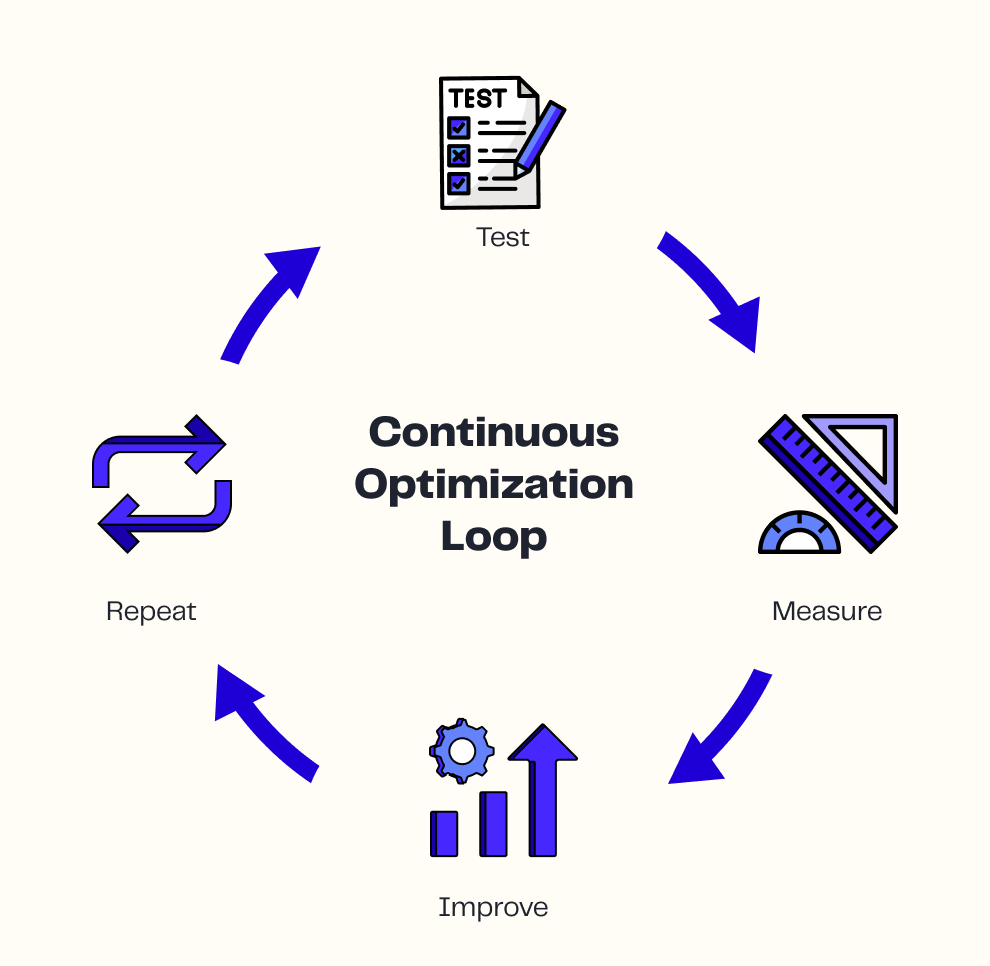
The shift starts with treating the customer’s lifecycle with the same level of rigor as paid channels.
In acquisition, teams test constantly, track clear metrics, and adjust based on performance. There is a defined structure around what gets tested, how results are measured, and what changes next.
The same approach applies to the lifecycle when it is taken seriously.
“The brands that do the best on the lifecycle front treat it as an acquisition channel.”
This changes how teams operate day to day. Instead of letting flows run unchanged, teams review and test them regularly. Campaigns are planned around specific goals, and performance is tracked through a small set of metrics that actually reflect progress.
Some of the key metrics teams focus on include opt-in rate, flow conversion rate, and revenue per recipient.
This also creates clearer ownership. Lifecycle is no longer something that runs in the background. It becomes a channel with defined inputs, outputs, and accountability.
As a result, performance becomes easier to understand and improve. Teams know what they are testing, why they are testing it, and how it connects to revenue. Over time, this consistency is what allows retention to improve in a predictable way.
The foundation most teams skip
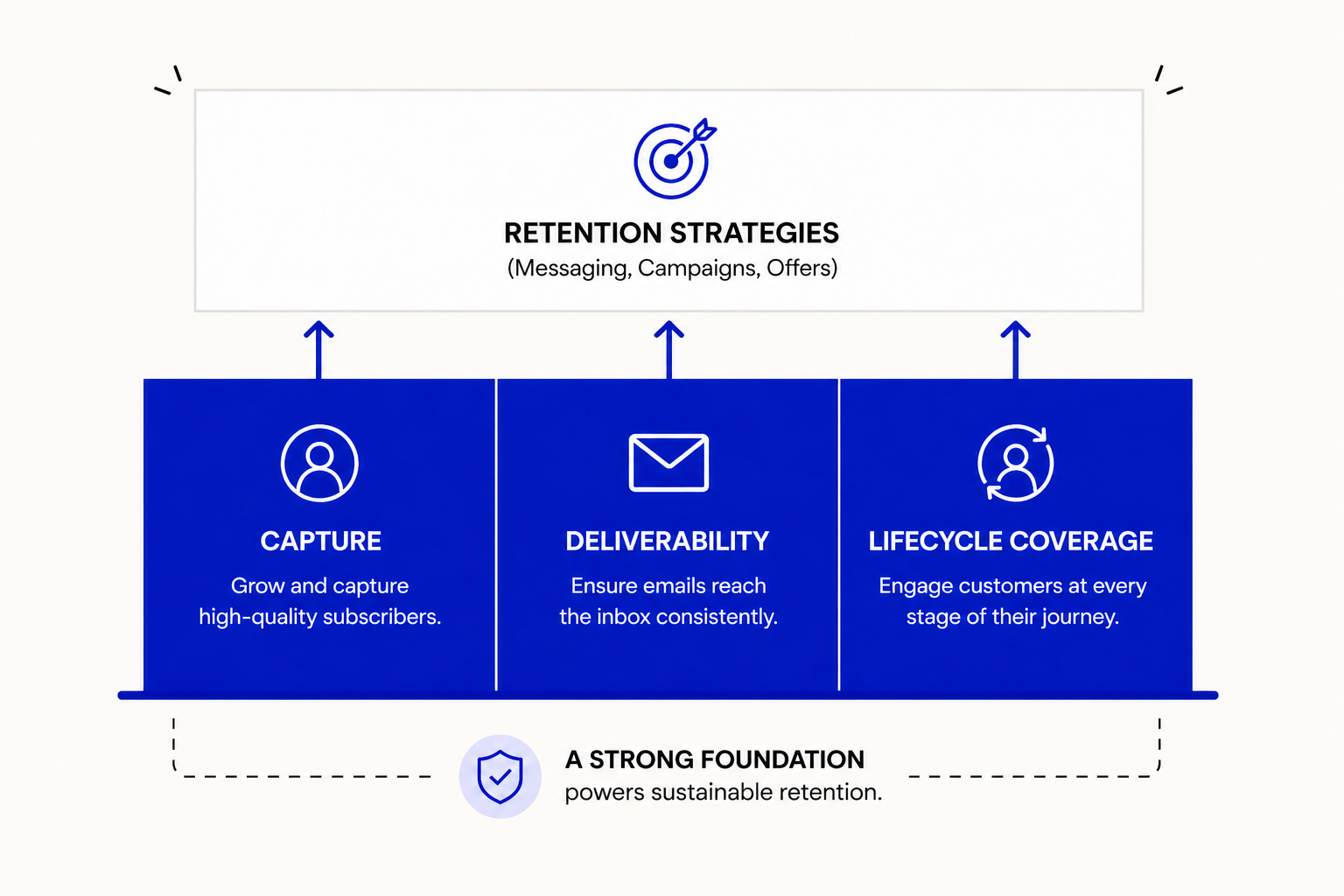
Most teams spend time on messaging and campaign ideas. The inputs that actually shape performance get far less attention.
Retention strategies only work when the underlying system is strong. Without that, even well-written emails or well-timed campaigns struggle to deliver consistent results.
There are three areas where this gap shows up most often.
List growth and capture quality
List growth is usually treated as a one-time setup. Popups are designed, launched, and rarely revisited.
Small changes here have a direct impact on revenue. Moving opt-in rates even slightly means more shoppers enter your email and SMS flows, giving you more opportunities to drive repeat engagement and purchases over time.
Kovac pointed out how underappreciated this is:
“The ability to make paid ad dollars go as far as possible is super overlooked.”
When capture improves, every downstream effort becomes more effective. More high-intent shoppers enter your flows, and the impact of your existing campaigns and automations compounds.
Deliverability and list health
Performance issues are often attributed to creative or timing, while deliverability is ignored.
Inbox placement determines whether your emails are even seen. Open rates can look stable due to tracking changes, but clicks and conversions usually offer more accurate insights. If engagement drops, it is usually a signal that emails are not reaching the inbox or the right audience.
List quality also plays an equally important role. Sending emails to disengaged shoppers reduces overall performance and makes it harder for strong segments to perform.
Coverage before optimization
Optimization only works when shoppers are part of your system.
If a large share of visitors remains anonymous or untracked, they never enter your flows. That limits how much impact your lifecycle marketing can actually have.
Expanding coverage increases the number of shoppers you can reach with email, SMS, or ads. It also gives you more data to work with, which improves targeting and decision-making.
The key idea is simple: the more high-intent shoppers you can identify and bring into your lifecycle system, the more opportunities you have to convert them over time.
The solution: Set expectations before conversion
Retention is influenced long before the first purchase happens.
What shoppers see, understand, and expect during their first interaction shapes how they behave later. If the product value is unclear or the experience feels confusing, it becomes harder to drive repeat purchases through lifecycle channels alone.
As Kovac put it:
“Email does not matter if your product sucks.”
Clear positioning, strong onboarding, and a smooth early experience make retention easier to sustain. Without that foundation, the lifecycle ends up trying to fix problems it cannot fully solve.
Why most retention programs rely on promotions
A clear pattern shows up in many lifecycle calendars. A large share of sends are tied to sales, launches, or discounts.
Promotional emails are easy to plan. They fit neatly into a calendar, drive immediate revenue, and give teams something clear to execute every week. When timelines are tight and resources are limited, this becomes the default.
Kovac pointed out how common this is:
“75% of emails are promotional.”
Over time, this creates a narrow way of operating. The channel starts to rely on offers to generate results, and campaigns begin to look similar.
A lot of these emails follow a simple structure. It includes product image, discount or offer, and call to action
“It’s basically just a product image and a shop now button.”
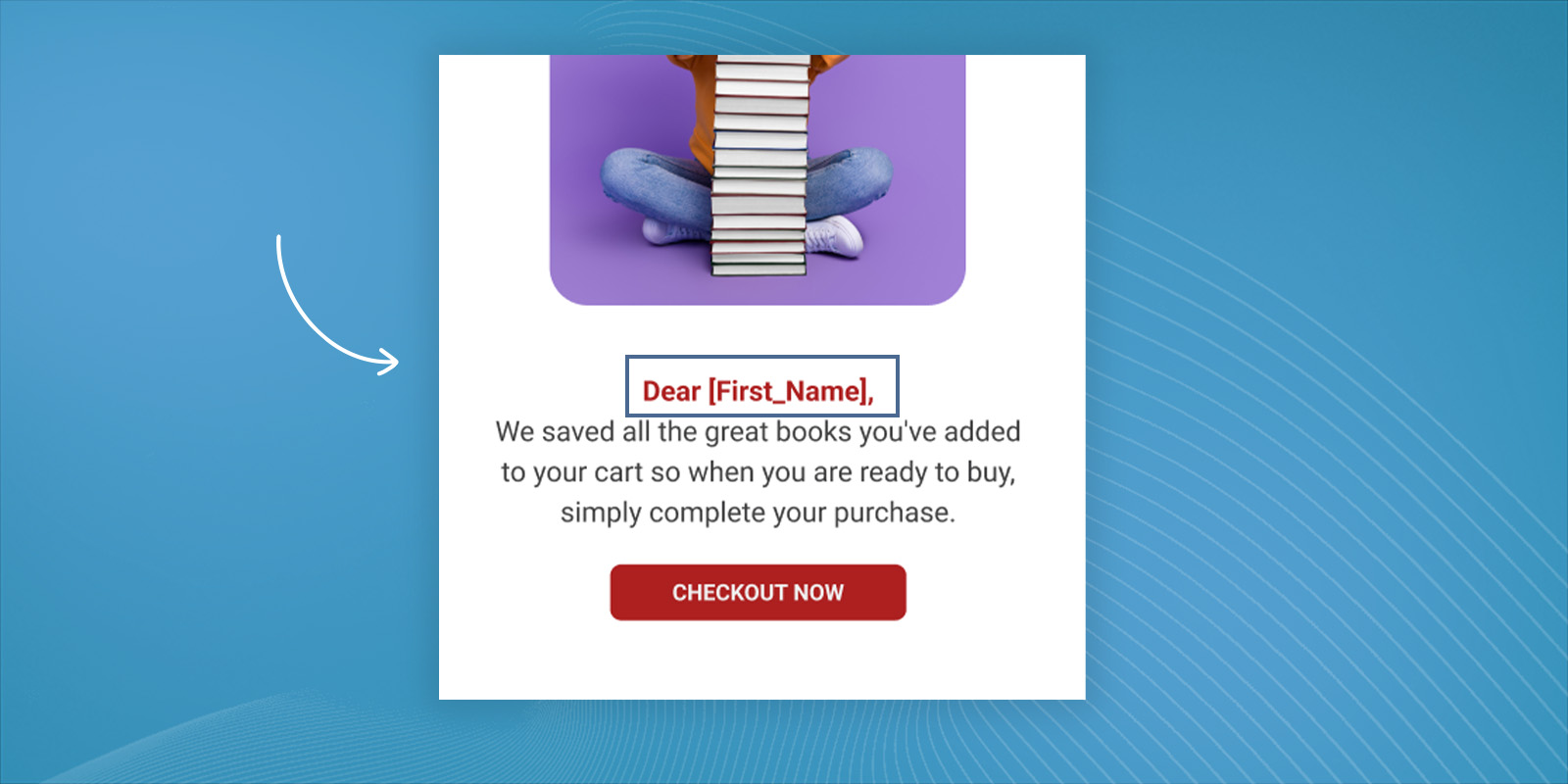
Promotions aren’t the issue. They play an important role. The problem is when they become the only approach teams use.
When every message focuses on pushing a purchase, there is little room to build context around the product, address objections, and guide shoppers toward the next step in their journey.
This is where performance starts to flatten. Without variation in messaging or intent, campaigns stop generating new insight, and results become harder to improve over time.
Stronger lifecycle programs still use promotions, but they are part of a broader system. Each message has a purpose, and not every send is tied to an immediate sale.
Build lifecycle around business goals and offer strategy
Lifecycle becomes easier to manage when there is a clear link between what you send and what the business is trying to achieve. Without that connection, campaigns default to promotions, and performance becomes harder to scale in a structured way.
The first step is defining the outcome. The second is deciding how you will move shoppers toward it.
Start with business goals
Planning should begin with a small set of outcomes you want the lifecycle to drive.
Kovac put it simply:
“It starts with asking what your business is actually trying to achieve.”
These goals should be specific and measurable. Common examples include:
- Increase subscription rate from first-time buyers
- Improve second purchase rate within 30–60 days
- Extend customer lifetime value over 6–12 months
- Reduce churn for key segments
Once defined, these goals shape how your lifecycle is built.
- Welcome flows should guide new shoppers toward the first key action.
- Post-purchase flows should focus on reinforcing value and driving the next purchase.
- Campaigns should support the same outcomes instead of running independently.
This creates alignment across flows and campaigns, so everything works toward the same result. With goals in place, the next step is choosing the levers that will actually influence behavior.
Use offers to drive those goals
Once the goal is clear, offers become the primary lever for influencing behavior.
“Offers are the biggest lever.”
Instead of using discounts reactively, tie them to specific outcomes. For example:
- Subscription growth: Offer incentives for switching from a one-time purchase to a subscription.
- Repeat purchase: Time-bound offers based on when a customer is likely to reorder.
- Churn reduction: Targeted incentives for shoppers showing signs of disengagement.
Consistency also matters. New visitors should see the same core offer across popups, emails, and ads. Similarly, returning shoppers should receive offers that reflect their stage in the journey.
When offers are aligned with goals, they guide behavior more effectively. Each message has a clear role, and your retention system starts to feel coordinated instead of reactive.
Keep segmentation focused so execution stays fast
Once you define your goals and offers, segmentation becomes easier to structure. It should make execution faster and more direct.
Many teams create too many segments without a clear reason. Each new segment adds setup, coordination, and tracking. Over time, campaigns take longer to launch, and testing becomes harder to run consistently.
Kovac captured this well:
“Brands leave a lot of revenue on the table by over-segmenting.”
Segment only when it changes what you send. A few high-impact distinctions are usually enough:
- New visitors vs returning shoppers
- First-time buyers vs repeat customers
- High-intent buyers vs low-engagement shoppers
Each of these directly affects messaging, timing, or offers. If a segment does not lead to a different decision, it does not add value.
Keep your segmentation tight so your team can move quickly, test regularly, and clearly understand what is driving performance.
Remove friction across the lifecycle
Once your structure is in place, small gaps in execution start to matter more. These are rarely strategic issues. They are simple points of friction that reduce conversion across flows and campaigns.
Friction often comes from inconsistency. For example:
- A shopper sees a 10% offer on-site, then a 15% offer in email
- A pop-up pushes a discount, while the welcome flow talks about product value
- Different campaigns present conflicting reasons to buy
These gaps create hesitation. Shoppers stop trusting the message or delay taking action. Friction also shows up in how much you ask from the shopper at once.
- Long emails that try to explain everything
- Multiple CTAs competing for attention
- Early-stage messages that push too hard before building context
Each of these increases decision load and reduces clarity. The fix is straightforward.
- Align your messaging across touchpoints and keep each message focused on one action.
- Keep offers consistent across channels.
- Match the message to the user’s stage in the journey.
- Limit each email or message to a clear next step.
When you remove friction, you make it easier for shoppers to move forward. Conversion improves without increasing volume or adding complexity.
Measure retention through long-term impact
Once your lifecycle is structured and running consistently, how you measure it determines how well you improve it.
Most teams look at campaign revenue which is easy to track and offers quicker feedback. The problem though, is that it only shows what happened within a short window. It doesn’t tell you whether your system is improving over time.
To understand retention properly, you need to look at how customer behavior changes across a longer horizon. Focus on a few metrics that reflect that:
- Second purchase rate within a defined window (30–60 days)
- Customer lifetime value (LTV) over 3, 6, and 12 months
- Time between purchases, especially for repeat buyers
- CAC payback period, and how the lifecycle shortens it
These metrics connect directly to how well your lifecycle is doing its job. They also help you answer clearer questions:
- Are more first-time buyers coming back?
- Are customers purchasing more frequently?
- Is the lifecycle contributing to faster payback on acquisition spend?
Campaign performance still matters, but it supports these outcomes without replacing them.
When you measure retention this way, you start making better decisions. You prioritize changes that improve long-term behavior instead of chasing short-term spikes. Over time, this is what makes retention predictable and scalable.
Ready to build systems that compound?
Retention starts to compound when your system stays connected from end to end.
You capture more of your traffic, not just the shoppers who sign up or purchase. You connect that audience to your CRM early, so you can actually follow up. From there, messaging and offers reflect clear business goals, and each touchpoint moves the customer forward with intent.
When these pieces stay aligned, lifecycle works as a system. Flows, campaigns, and offers build on each other instead of operating in isolation. That is what allows performance to improve consistently over time.
But this only works when your inputs are strong.
If a large share of your visitors remains anonymous, your lifecycle has limited reach. You lose the ability to follow up, personalize, and learn from real behavior. As a result, decisions rely on partial data, and performance becomes harder to scale.
Tie helps you fix that. It identifies anonymous visitors and syncs real behavioral data into your CRM, so your lifecycle has more coverage and better context. This allows your flows and campaigns to operate among a larger, higher-intent audience and makes every part of your system more effective.
Book a demo to see how teams use Tie to identify more visitors, expand lifecycle coverage, and build retention systems that drive consistent, repeatable growth.