

← All articles

Retention Marketing

·

4

min read

The Marketing Prep Checklist for BFCM

Use this marketing prep checklist to get your audiences, offers, channels, site, and measurement ready before Black Friday and Cyber Monday.

John Levis

John Levis

Director of Product Marketing

, Tie ·

October 9, 2026

The Marketing Prep Checklist for BFCM

Need to figure out what you need to prepare before BFCM? Start here.

BFCM puts every part of your marketing program under more pressure: larger audiences, higher sending volumes, more competitive offers, and less room to recover from mistakes once the rush begins.

Use this checklist to prepare your marketing strategy and execution—from audience readiness and offer strategy, to channel execution, site testing, and measurement—before you enter the BFCM period.

1. Validate your audience strategy

Your Black Friday and Cyber Monday audience setup should account for where shoppers are in their journey when your campaigns go live. Review the segments you already rely on and check whether they still reflect recent browsing, engagement, and purchase behavior.

Look at engaged subscribers, recent visitors, cart abandoners, recent purchasers, high-value customers, lapsed customers, and deal-sensitive shoppers. From there, see whether your existing stack can identify shoppers with the strongest purchase intent, where your audiences overlap, and which customers to suppress from specific campaigns.

Before BFCM, establish clear rules for who receives each campaign, which audience takes priority, and when a shopper should move into a different segment.
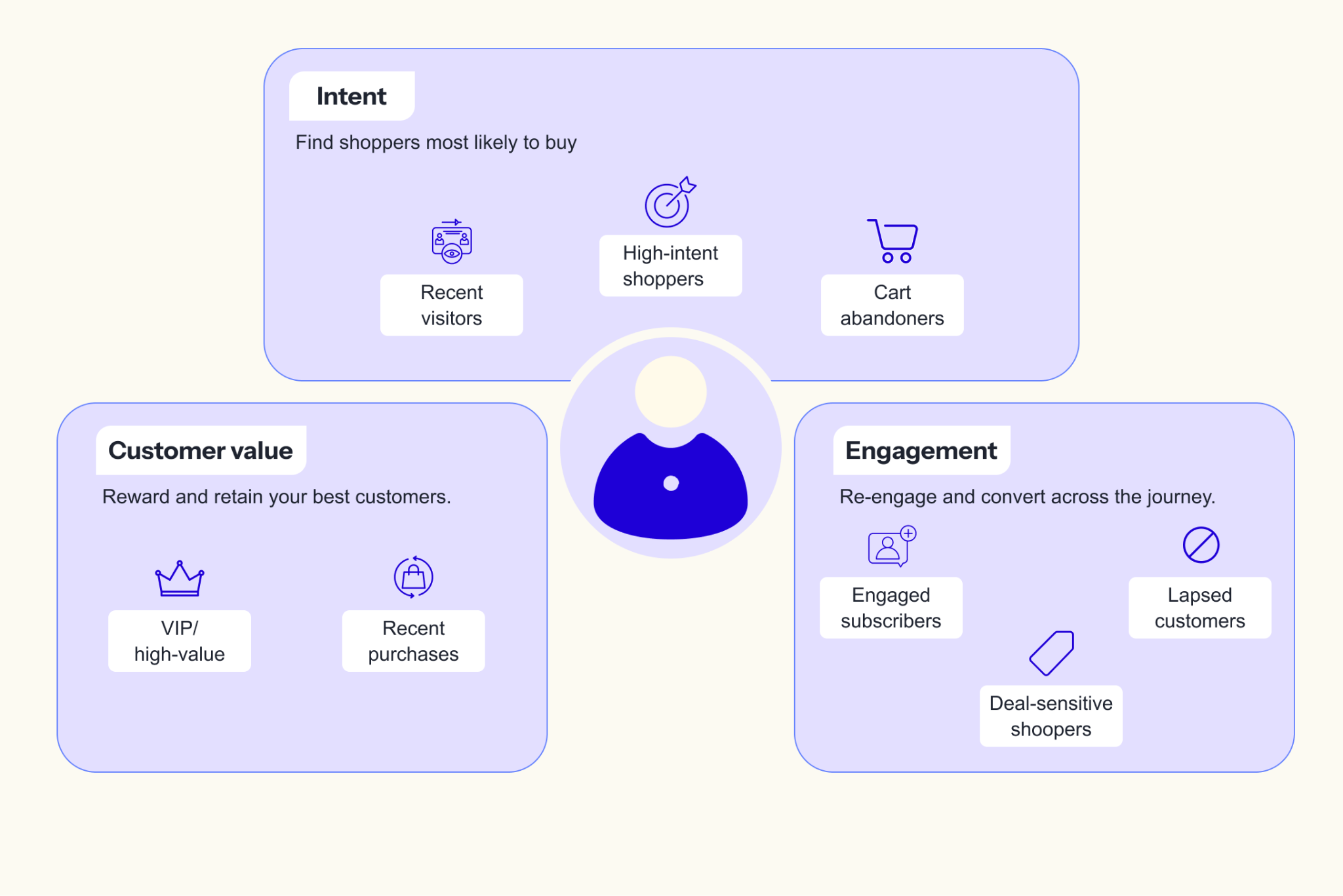
Check your segments before launch

For each audience, review:

  • Recent behavior: When did the shopper last browse, engage, or purchase?
  • Purchase intent: Which shoppers are actively showing strong buying signals?
  • Customer lifetime value: Which customers warrant VIP treatment or early access?
  • Offer sensitivity: Which audiences historically respond to discounts?
  • Audience size: Can each segment support the planned send volume?
  • Overlap: Which shoppers qualify for multiple BFCM campaigns?
  • Data freshness: Are your behavioral and purchase signals current?

Tie Predict gives you another way to prioritize these audiences. It scores shoppers using dozens of signals your ESP can’t see and refreshes the scores daily, including purchase, open, and click propensity. These scores sync directly to Klaviyo for use in your existing segments, campaigns, and flows.

For BFCM, use purchase scores to identify high-intent shoppers who would otherwise fall outside your usual engaged segments. For example, Portland Leather Goods saw 18%+ incremental revenue per campaign with Tie Predict, while Sharper Image saw more than 30% incremental revenue per campaign.
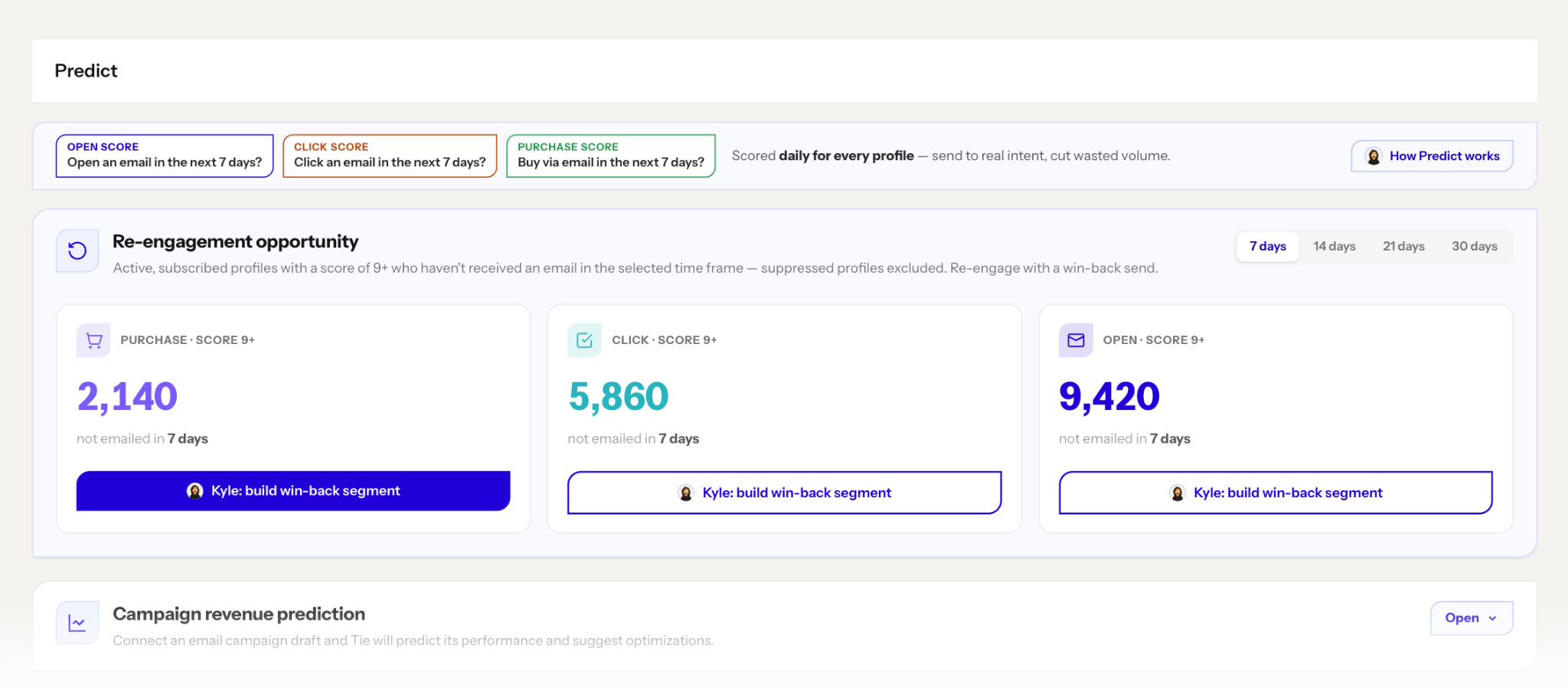
Account for shoppers your CRM does not identify

Your CRM only captures shoppers you can connect to a known profile. BFCM traffic will also include returning visitors who browse, compare products, and show purchase intent without identifying themselves.

Before BFCM, check how much of that high-intent traffic your current stack leaves unidentified. Look at:

  • Returning visitors: How many are coming back without being recognized?
  • High-intent activity: Which anonymous shoppers are viewing products, returning to the site, or showing other strong purchase signals?
  • Opt-in opportunities: Where can you set up relevant onsite experiences to turn high-intent visitors into known subscribers?
  • Retargeting audiences: Which unidentified visitors can be reached through paid channels instead of email marketing?

If your existing tools leave a significant portion of this traffic unidentified, Tie ID can add another layer of shopper recognition. It uses a 280M+ consumer identity graph to identify anonymous, new, and returning visitors and connect behavior across sessions and devices. It can also add more than 200 demographic, psychographic, and preference attributes to shopper profiles.

The important part is what you do with this information. Use identified visitor behavior to refine audience targeting, trigger relevant opt-in experiences, or build retargeting audiences.
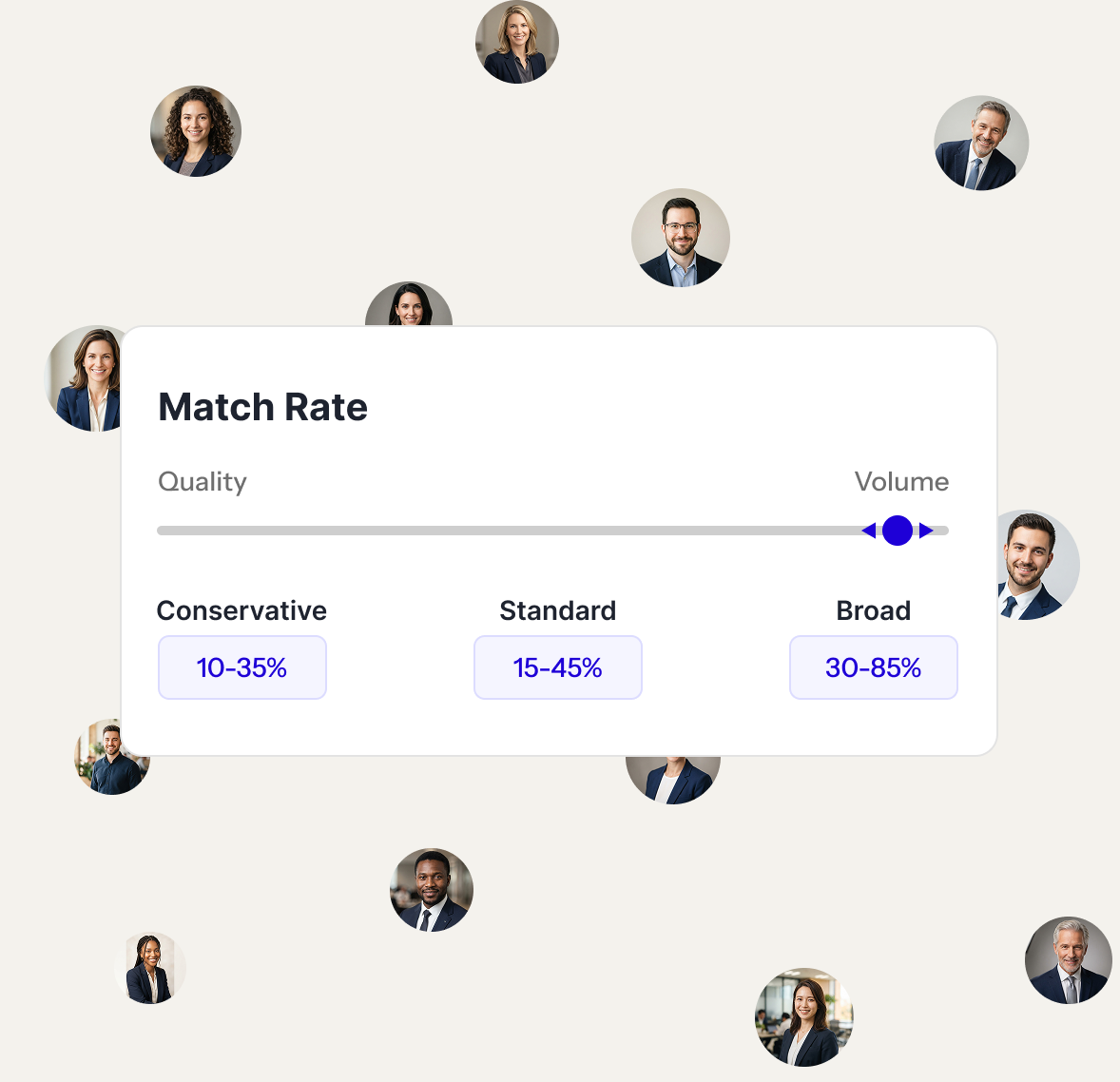
Set your exclusion rules

Define these rules before your BFCM campaigns go live:

  • Suppress recent purchasers from acquisition and first-purchase offers.
  • Remove unsubscribed shoppers from eligible audiences.
  • Give VIP or high-priority journeys precedence over general campaigns.
  • Suppress shoppers already receiving a relevant cart or browse recovery flow.
  • Set frequency limits across email and SMS marketing flows.
  • Define which campaign takes priority when a shopper qualifies for multiple audiences.

Your team should know why each shopper is receiving a campaign, what takes priority when audiences overlap, and when they should be removed from the sequence.

2. Lock in your offer strategy

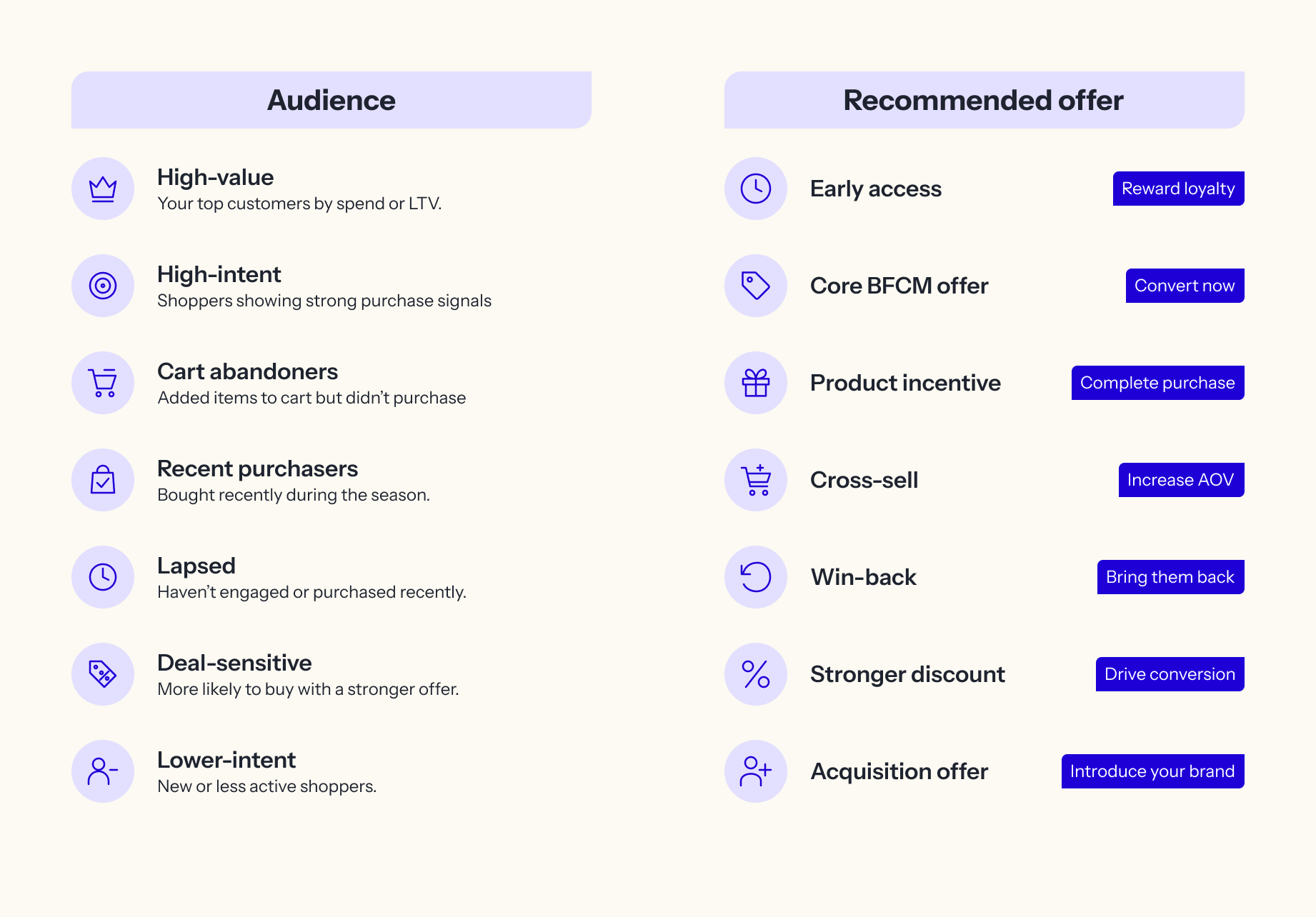
Map each offer to a specific audience and commercial goal before you build the BFCM campaign calendar.

Your offer mix might include early access, exclusive discounts, bundles, product-specific promotions, free shipping, or stronger incentives for price-sensitive shoppers. The important part is deciding who needs each offer, what action it should drive, and when a stronger incentive is justified.

Build an offer hierarchy

Use customer and intent data to determine which shoppers receive which promotions and where you can avoid unnecessary discounting.
‍

Tie Predict helps you distinguish shoppers with strong purchase intent from those who simply appear engaged based on past activity. Tie ID adds demographic and preference attributes that you can use to refine promotional audiences. 

Together, they give your team more control over where to apply an incentive and where you can protect margin.

Define the rules for overlapping offers

Decide how your promotions interact before launch. For example:

  1. VIP early access takes priority over the general BFCM offer.
  2. Product-specific promotions override a sitewide discount when both apply.
  3. Recent purchasers are excluded from acquisition offers for products they already bought.
  4. Customer loyalty program or referral benefits follow your defined stacking rules.
  5. Free-shipping thresholds apply consistently across campaigns and landing pages.

Build these rules into your campaign setup. Your email, SMS, paid, onsite, and landing-page experiences should all use the same eligibility logic.

Set margin and inventory limits

Your BFCM marketing strategy also needs clear guardrails. Define:

  • Maximum discount by product or category
  • Products that cannot be discounted
  • Minimum margin after discounts
  • Inventory thresholds for pausing an offer
  • Products that should move into bundles instead of direct discounts
  • Free-shipping thresholds tied to your target average order value (AOV)
  • Rules for stacking discounts, loyalty points, referrals, or free gifts

Keep a fallback offer ready for campaigns where demand or inventory moves differently from your forecast. If a product starts selling through quickly, you should already know which product, bundle, or promotion needs to replace it.

Finally, run a quality audit of the offer across the customer experience. Check pricing, discount codes, exclusions, inventory, shipping terms, return policy, landing pages, and eligibility rules before the first BFCM send.

3. Stress-test your lifecycle program

Your automated flows will keep running while BFCM campaigns increase in frequency. Audit how those two systems interact before you scale campaign volume.

Start with your welcome, browse abandonment, cart abandonment, post-purchase, and win-back flows. For each one, check:

  • Triggers: Does the shopper enter at the right point in their journey?
  • Timing: Do delays still make sense when promotional emails are going out more frequently?
  • Exclusions: Are recent purchasers and shoppers receiving higher-priority messages being suppressed correctly?
  • Personalization: Are product recommendations, prices, offers, and customer details pulling the right data?
  • Dynamic content: Does content update correctly based on product, inventory, and audience?
  • Frequency: Could a shopper receive several automated messages alongside your BFCM campaigns within a short window?

Pay particular attention to what happens after a purchase. A customer who buys during BFCM should immediately be removed from acquisition, browse, and cart-recovery journeys that no longer apply. Your post-purchase flow should take over without sending a conflicting promotional message.

Define campaign and flow priority

Decide how promotional campaigns interact with automated flows before launch. For each flow, determine whether your BFCM campaigns will:

  • Pause the flow temporarily
  • Override specific messages
  • Suppress certain campaign sends
  • Run alongside the flow with defined frequency limits

Document these rules in your campaign setup, so your team isn't making exceptions manually during the busiest sending period.

QA the full customer journey

Test the paths that matter most to revenue: Browse → cart → purchase → post-purchase

Use test profiles to confirm that each action moves the shopper into the correct state. Check that the right message fires, previous messages stop when required, and the appropriate offer follows the customer into the next stage.

Also test:

  • Email rendering across your priority devices and inboxes
  • Links and CTAs
  • Dynamic product information
  • Discount codes and offer eligibility
  • Personalization
  • Product recommendations
  • Flow exit conditions
  • Mobile layouts

A broken discount code or incorrect product block can quickly turn a working BFCM flow into a support issue. Catch those issues before traffic peaks.

4. Make sure your site is ready for peak traffic

Your campaigns can drive the right shoppers to your site and still lose the sale if the experience breaks while they are browsing or checking out. Test the full path from landing page to checkout with BFCM offers and conditions in place.

Test your highest-traffic conversion paths

Audit your:

  • Product pages and merchandising
  • BFCM landing pages
  • Cart and checkout
  • Payment methods
  • Discount codes
  • Mobile experience
  • Key navigation and conversion paths

Don't test only whether each page loads. Test the actions shoppers will take during the promotion: applying a code, adding a discounted product to cart, switching variants, checking shipping information, and completing payment.

Check the information shoppers need to buy

Make BFCM-specific details easy to find on product and landing pages:

  • Promotional pricing and offer terms
  • Product availability
  • Shipping costs and deadlines
  • Return policy
  • Exclusions and eligibility
  • Inventory limitations

Your landing pages should also match the campaign sending traffic there. If an email promotes a specific product or offer, the landing page should reflect the same pricing, messaging, and availability.

Test the site under peak conditions

Review expected traffic and load capacity with your technical team before BFCM. Pay particular attention to mobile performance, checkout response times, payment processing, and pages that receive the highest campaign traffic.

Confirm that your operational teams can support the demand. Inventory, fulfillment, customer support, and shipping capacity should match the volume your campaigns are designed to generate.

Decide what happens to non-converting visitors

Not every high-intent shopper will purchase during their first BFCM session. Have a plan for visitors who browse products or reach checkout without converting.

If your existing stack doesn't identify those shoppers, Tie ID recognizes previously anonymous visitors and connects their activity across sessions and devices. That information can inform relevant lifecycle or retargeting programs after the visit, subject to the appropriate consent and channel rules.

This is particularly useful for BFCM because a non-converting visitor doesn't necessarily represent a lost opportunity. Their browsing behavior can still inform what to show them next.

5. Prepare for peak deliverability

BFCM increases sending volume and frequency while putting more competition on every inbox. Audit your current email deliverability before you add more sends, so you have a clear baseline for spotting problems during the event.

Check your baseline

Review the metrics that show whether your list and sending infrastructure are ready:

  • Engagement and click rates
  • Bounce rate
  • Unsubscribe rate
  • Spam complaint rate
  • Inbox placement
  • Recent changes in domain reputation
  • SPF, DKIM, and DMARC authentication

Look at both your 14-day and 30-day performance to catch recent changes that a longer reporting window could hide. 

Tie Priority's deliverability audit takes a similar approach, assessing list health, send patterns, flow versus campaign performance, and DNS authentication.

Set volume and audience limits

Decide how much you can increase sending without putting your domain reputation under unnecessary pressure. Set thresholds for:

  • Maximum daily campaign volume
  • Campaign frequency by audience
  • Bounce and spam rates that trigger a reduction in volume
  • Engagement levels that determine whether a segment remains eligible
  • Audiences that should be held back until stronger engagement signals appear

Test your priority audiences first. If engagement and placement hold up, expand to broader segments rather than starting BFCM with your entire contact database. Avoid adding disengaged subscribers simply to increase reach. 

If your domain reputation starts to decline, Tie Priority can automatically prioritize your strongest-engagement audiences, helping you maintain reach while reducing sends to subscribers less likely to engage.

Monitor inbox placement during BFCM

Don't wait for open rates to show that something went wrong. Establish your pre-BFCM placement and reputation benchmarks, and monitor them throughout the promotional period.

If you're using Tie Priority, its agents continuously monitor placement and reputation and can adjust audience eligibility and warmup intensity when reputation drops. The system also uses Predict scores to prioritize shoppers during reputation recovery.

Tie's testing uses treated and control groups, allowing you to measure incremental revenue from improved placement rather than treating deliverability as a standalone metric. Arrae, for example, recorded an 87% lift in revenue per recipient on emails placed in Gmail's Primary tab versus its control group.

6. Coordinate across channels

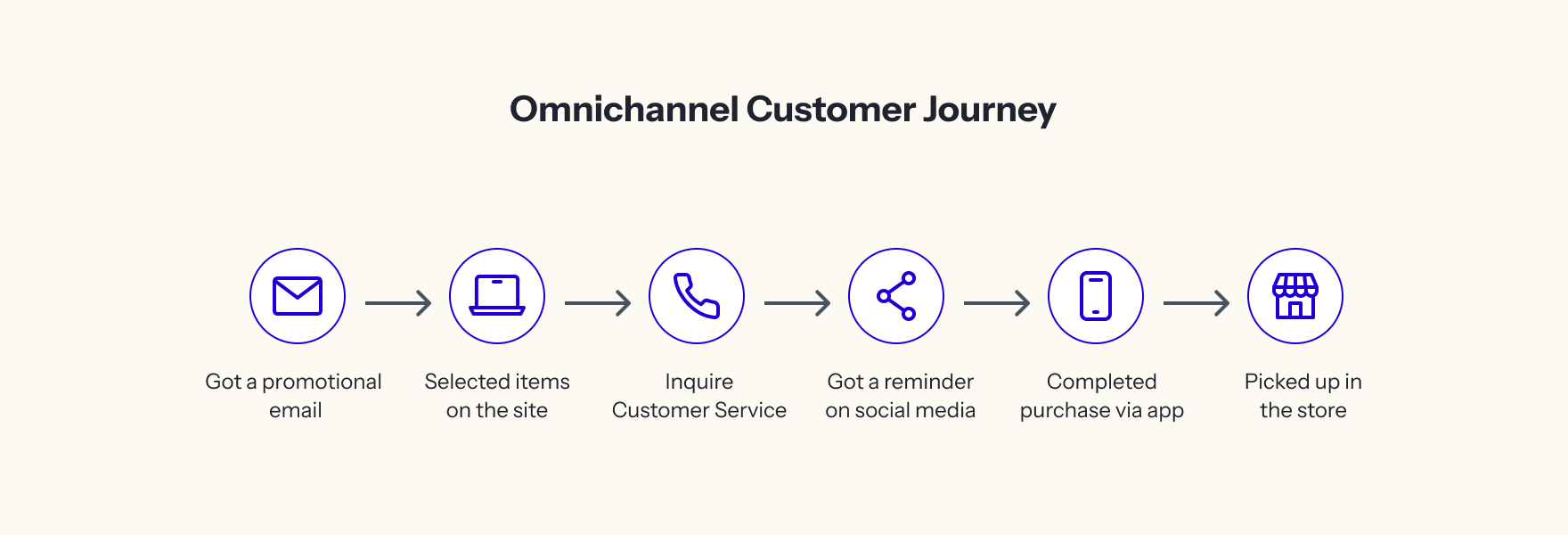
A BFCM campaign calendar spans email, SMS, paid social media ads, search, onsite messaging, and retargeting. The challenge is deciding which shopper gets which message on which channel, rather than sending the same promotion everywhere.

Assign audiences to channels

Start with your priority audiences and map their role across channels. For example:

  • Email: Existing subscribers, VIPs, recent purchasers, and lapsed customers
  • SMS: High-intent subscribers and customers who respond well to time-sensitive promotions
  • Paid social and search: New prospects and identified site visitors who haven't purchased
  • Onsite messaging: High-intent visitors who need an opt-in, product reminder, or relevant offer
  • Retargeting: Visitors who showed product interest without completing a purchase

You don't need your different audiences active on every channel. Set channel eligibility and suppression rules before launch, so your team knows where to reach each shopper.
Keep the experience consistent

Your offer should remain consistent across channels, but the execution should fit the channel.

A customer clicking an SMS promotion should see the same price, product availability, and offer terms on the landing page. A paid ad shouldn't continue promoting a product that has sold out. A customer who purchased through email shouldn't keep seeing the same acquisition offer in paid social.

Review these elements across every touchpoint:

  • Promotional pricing
  • Discount codes
  • Product availability
  • Creative and messaging
  • Urgency and deadlines
  • Landing-page experience
  • Audience eligibility

Suppress customers as they move through the journey

Set cross-channel exclusions for recent purchasers and shoppers who have already converted. Move them into cross-sell, retention, or post-purchase messaging instead of continuing acquisition campaigns.

Plan for shoppers moving between channels. Someone who clicks an email, visits a product page, and later converts through paid search should still be treated as part of the same customer journey when evaluating performance.

QA your tracking before launch

Test the full path from ad or message to purchase, including the landing page, product page, and checkout. Confirm that UTMs, campaign details, audience data, conversion events, and revenue attribution are captured correctly at every stage of the journey.

If attribution breaks during BFCM, you lose visibility into which audiences, offers, and channels are driving incremental revenue and won't have reliable data to guide optimization while the sale is live.

7. Build your measurement framework before launch

Decide what you need to measure before BFCM starts. Your reporting should show which audiences, offers, and channels are generating revenue, not just which campaigns drove the most clicks or orders.

Set your BFCM benchmarks

Pull recent performance for:

  • Revenue
  • Conversion rate
  • AOV
  • Revenue per recipient for email and SMS
  • Revenue per visitor
  • Customer acquisition
  • New-customer revenue
  • Existing-customer revenue

Use these as your baseline for evaluating BFCM performance. AOV and revenue per recipient are particularly useful when two campaigns generate similar order volume but differ in order value or audience size.

Break performance down by audience and offer

Don't stop at campaign-level reporting. Build views that let you compare performance by:

  • Audience: VIP, high-intent, cart abandoners, lapsed, new prospects
  • Offer: Sitewide discount, product-specific offer, bundle, free shipping, early access
  • Channel: Email, SMS, paid social, search, onsite
  • Customer value: New, repeat, high-value, lapsed

This shows you where results are actually coming from. A campaign with the highest total revenue isn't necessarily the one you should scale if another audience generates higher revenue per recipient or stronger customer value.

Separate acquisition from retention

Report new-customer and existing-customer revenue separately. A large BFCM revenue number can hide whether you're acquiring profitable new customers or primarily monetizing your existing database.

For acquisition, track metrics such as CAC, AOV, and first-purchase revenue. For existing customers, look at revenue per recipient, repeat purchase behavior, and customer value.

Decide how you'll measure incremental revenue

Revenue attributed to a campaign isn't the same as revenue the campaign drove.

Where possible, use holdout or control groups to establish what would have happened without the campaign. 

Set your decision rules before BFCM

Define the thresholds that should trigger action while you still have time to respond. For each major campaign, document:

Signal Action
Conversion rate below your floor Review audience, offer, and landing page
Revenue per recipient above target Expand eligible audience or send priority
ROAS above target Consider shifting more paid spend
High conversion with weak margin Reduce the incentive or change the product mix
Strong demand with low inventory Reduce promotion or redirect traffic
Rising unsubscribes or spam complaints Tighten audience eligibility or frequency

This gives your team predefined rules for acting on performance, rather than relying on subjective decisions once campaign volume picks up.

8. Prepare for real-time optimization

Your BFCM plan should define what changes when performance moves, not just what you will launch. Set decision thresholds before the event so your team can act quickly when an audience, offer, product, or channel starts moving outside its expected range.

Decide what triggers a change

For each major campaign, define the signals that matter and the action they should trigger:

  • Conversion rate drops: Review the offer, landing page, inventory, and audience before increasing spend.
  • Revenue per recipient rises: Expand toward similar high-performing audiences.
  • ROAS exceeds your target: Shift more paid budget toward the strongest audience or product.
  • Frequency rises without corresponding revenue: Reduce frequency or move the audience to another channel.
  • A product starts selling through: Reduce promotion and redirect traffic to available products.
  • A segment's behavior changes: Move shoppers into the segment that matches their latest activity.

Keep your audiences moving

Don't leave shoppers in the same BFCM segment for the entire event. A visitor who purchases should leave acquisition and recovery campaigns. A cart abandoner who returns to browse another product needs a different message from someone who has stopped engaging altogether.

Tie Predict supports this because its shopper scores refresh daily, giving your team a current purchase, open, or click signal to work with instead of relying only on historical engagement segments.

Watch marketing and merchandising together

Marketing performance can change because of what's happening with the product, not because the campaign itself stopped working.

Monitor inventory, product availability, pricing, shipping, and promotional terms alongside your campaign metrics. If a product is selling faster than expected, pause or redirect campaigns before sending more shoppers toward an offer they can no longer purchase.

Your team should know in advance:

  • Which products trigger a promotion change when inventory falls below a set level
  • Which products replace sold-out bestsellers in campaigns
  • Which offers can be paused without affecting other audiences
  • Who has authority to change pricing or promotions
  • How quickly those changes need to reach email, SMS, paid, onsite, and landing-page experiences

Go into BFCM with a plan, not just a calendar

BFCM rewards teams that can make decisions as quickly as shopper behavior changes. Your plan should define who to target, what to offer, where to reach them, and what signals should trigger a change.

Start with the basics: build audiences around current shopper behavior, establish clear offer and suppression rules, stress-test your lifecycle program and site experience, and define the metrics and thresholds that will guide decisions once BFCM is underway.

Tie gives your team additional signals across each stage:

  • Tie ID helps you identify anonymous website visitors and connect their activity across sessions and devices.
  • Tie Predict uses dozens of signals your ESP misses to build daily-refreshed scores that prioritize shoppers based on their likelihood to open, click, or purchase.
  • Tie Priority lands your emails in the Primary inbox while monitoring sender reputation as email volume increases, making sure emails are seen and reputation remains strong.

Ready to pressure-test your BFCM setup? Book a demo to see how Tie fits into your marketing program.


Written by

John Levis

Director of Product Marketing

, Tie

John leads product marketing at Tie, where he focuses on positioning, messaging, and helping ecommerce brands make better use of customer identity and behavioral data.

Maya K. identified · score 9Jordan R. synced to KlaviyoSana P. landed in PrimaryDani N. ready to buy

See what Tie finds on your site.

A 20-minute walkthrough on your own traffic — positive ROI within 30 days.

Book a demoSee pricing
October 9, 2026

The Marketing Prep Checklist for BFCM

Written by
John Levis
Director of Product Marketing
John leads product marketing at Tie, where he focuses on positioning, messaging, and helping ecommerce brands make better use of customer identity and behavioral data.

Need to figure out what you need to prepare before BFCM? Start here.

BFCM puts every part of your marketing program under more pressure: larger audiences, higher sending volumes, more competitive offers, and less room to recover from mistakes once the rush begins.

Use this checklist to prepare your marketing strategy and execution—from audience readiness and offer strategy, to channel execution, site testing, and measurement—before you enter the BFCM period.

1. Validate your audience strategy

Your Black Friday and Cyber Monday audience setup should account for where shoppers are in their journey when your campaigns go live. Review the segments you already rely on and check whether they still reflect recent browsing, engagement, and purchase behavior.

Look at engaged subscribers, recent visitors, cart abandoners, recent purchasers, high-value customers, lapsed customers, and deal-sensitive shoppers. From there, see whether your existing stack can identify shoppers with the strongest purchase intent, where your audiences overlap, and which customers to suppress from specific campaigns.

Before BFCM, establish clear rules for who receives each campaign, which audience takes priority, and when a shopper should move into a different segment.

Check your segments before launch

For each audience, review:

  • Recent behavior: When did the shopper last browse, engage, or purchase?
  • Purchase intent: Which shoppers are actively showing strong buying signals?
  • Customer lifetime value: Which customers warrant VIP treatment or early access?
  • Offer sensitivity: Which audiences historically respond to discounts?
  • Audience size: Can each segment support the planned send volume?
  • Overlap: Which shoppers qualify for multiple BFCM campaigns?
  • Data freshness: Are your behavioral and purchase signals current?

Tie Predict gives you another way to prioritize these audiences. It scores shoppers using dozens of signals your ESP can’t see and refreshes the scores daily, including purchase, open, and click propensity. These scores sync directly to Klaviyo for use in your existing segments, campaigns, and flows.

For BFCM, use purchase scores to identify high-intent shoppers who would otherwise fall outside your usual engaged segments. For example, Portland Leather Goods saw 18%+ incremental revenue per campaign with Tie Predict, while Sharper Image saw more than 30% incremental revenue per campaign.

Account for shoppers your CRM does not identify

Your CRM only captures shoppers you can connect to a known profile. BFCM traffic will also include returning visitors who browse, compare products, and show purchase intent without identifying themselves.

Before BFCM, check how much of that high-intent traffic your current stack leaves unidentified. Look at:

  • Returning visitors: How many are coming back without being recognized?
  • High-intent activity: Which anonymous shoppers are viewing products, returning to the site, or showing other strong purchase signals?
  • Opt-in opportunities: Where can you set up relevant onsite experiences to turn high-intent visitors into known subscribers?
  • Retargeting audiences: Which unidentified visitors can be reached through paid channels instead of email marketing?

If your existing tools leave a significant portion of this traffic unidentified, Tie ID can add another layer of shopper recognition. It uses a 280M+ consumer identity graph to identify anonymous, new, and returning visitors and connect behavior across sessions and devices. It can also add more than 200 demographic, psychographic, and preference attributes to shopper profiles.

The important part is what you do with this information. Use identified visitor behavior to refine audience targeting, trigger relevant opt-in experiences, or build retargeting audiences.

Set your exclusion rules

Define these rules before your BFCM campaigns go live:

  • Suppress recent purchasers from acquisition and first-purchase offers.
  • Remove unsubscribed shoppers from eligible audiences.
  • Give VIP or high-priority journeys precedence over general campaigns.
  • Suppress shoppers already receiving a relevant cart or browse recovery flow.
  • Set frequency limits across email and SMS marketing flows.
  • Define which campaign takes priority when a shopper qualifies for multiple audiences.

Your team should know why each shopper is receiving a campaign, what takes priority when audiences overlap, and when they should be removed from the sequence.

2. Lock in your offer strategy

Map each offer to a specific audience and commercial goal before you build the BFCM campaign calendar.

Your offer mix might include early access, exclusive discounts, bundles, product-specific promotions, free shipping, or stronger incentives for price-sensitive shoppers. The important part is deciding who needs each offer, what action it should drive, and when a stronger incentive is justified.

Build an offer hierarchy

Use customer and intent data to determine which shoppers receive which promotions and where you can avoid unnecessary discounting.

‍

Tie Predict helps you distinguish shoppers with strong purchase intent from those who simply appear engaged based on past activity. Tie ID adds demographic and preference attributes that you can use to refine promotional audiences. 

Together, they give your team more control over where to apply an incentive and where you can protect margin.

Define the rules for overlapping offers

Decide how your promotions interact before launch. For example:

  1. VIP early access takes priority over the general BFCM offer.
  2. Product-specific promotions override a sitewide discount when both apply.
  3. Recent purchasers are excluded from acquisition offers for products they already bought.
  4. Customer loyalty program or referral benefits follow your defined stacking rules.
  5. Free-shipping thresholds apply consistently across campaigns and landing pages.

Build these rules into your campaign setup. Your email, SMS, paid, onsite, and landing-page experiences should all use the same eligibility logic.

Set margin and inventory limits

Your BFCM marketing strategy also needs clear guardrails. Define:

  • Maximum discount by product or category
  • Products that cannot be discounted
  • Minimum margin after discounts
  • Inventory thresholds for pausing an offer
  • Products that should move into bundles instead of direct discounts
  • Free-shipping thresholds tied to your target average order value (AOV)
  • Rules for stacking discounts, loyalty points, referrals, or free gifts

Keep a fallback offer ready for campaigns where demand or inventory moves differently from your forecast. If a product starts selling through quickly, you should already know which product, bundle, or promotion needs to replace it.

Finally, run a quality audit of the offer across the customer experience. Check pricing, discount codes, exclusions, inventory, shipping terms, return policy, landing pages, and eligibility rules before the first BFCM send.

3. Stress-test your lifecycle program

Your automated flows will keep running while BFCM campaigns increase in frequency. Audit how those two systems interact before you scale campaign volume.

Start with your welcome, browse abandonment, cart abandonment, post-purchase, and win-back flows. For each one, check:

  • Triggers: Does the shopper enter at the right point in their journey?
  • Timing: Do delays still make sense when promotional emails are going out more frequently?
  • Exclusions: Are recent purchasers and shoppers receiving higher-priority messages being suppressed correctly?
  • Personalization: Are product recommendations, prices, offers, and customer details pulling the right data?
  • Dynamic content: Does content update correctly based on product, inventory, and audience?
  • Frequency: Could a shopper receive several automated messages alongside your BFCM campaigns within a short window?

Pay particular attention to what happens after a purchase. A customer who buys during BFCM should immediately be removed from acquisition, browse, and cart-recovery journeys that no longer apply. Your post-purchase flow should take over without sending a conflicting promotional message.

Define campaign and flow priority

Decide how promotional campaigns interact with automated flows before launch. For each flow, determine whether your BFCM campaigns will:

  • Pause the flow temporarily
  • Override specific messages
  • Suppress certain campaign sends
  • Run alongside the flow with defined frequency limits

Document these rules in your campaign setup, so your team isn't making exceptions manually during the busiest sending period.

QA the full customer journey

Test the paths that matter most to revenue: Browse → cart → purchase → post-purchase

Use test profiles to confirm that each action moves the shopper into the correct state. Check that the right message fires, previous messages stop when required, and the appropriate offer follows the customer into the next stage.

Also test:

  • Email rendering across your priority devices and inboxes
  • Links and CTAs
  • Dynamic product information
  • Discount codes and offer eligibility
  • Personalization
  • Product recommendations
  • Flow exit conditions
  • Mobile layouts

A broken discount code or incorrect product block can quickly turn a working BFCM flow into a support issue. Catch those issues before traffic peaks.

4. Make sure your site is ready for peak traffic

Your campaigns can drive the right shoppers to your site and still lose the sale if the experience breaks while they are browsing or checking out. Test the full path from landing page to checkout with BFCM offers and conditions in place.

Test your highest-traffic conversion paths

Audit your:

  • Product pages and merchandising
  • BFCM landing pages
  • Cart and checkout
  • Payment methods
  • Discount codes
  • Mobile experience
  • Key navigation and conversion paths

Don't test only whether each page loads. Test the actions shoppers will take during the promotion: applying a code, adding a discounted product to cart, switching variants, checking shipping information, and completing payment.

Check the information shoppers need to buy

Make BFCM-specific details easy to find on product and landing pages:

  • Promotional pricing and offer terms
  • Product availability
  • Shipping costs and deadlines
  • Return policy
  • Exclusions and eligibility
  • Inventory limitations

Your landing pages should also match the campaign sending traffic there. If an email promotes a specific product or offer, the landing page should reflect the same pricing, messaging, and availability.

Test the site under peak conditions

Review expected traffic and load capacity with your technical team before BFCM. Pay particular attention to mobile performance, checkout response times, payment processing, and pages that receive the highest campaign traffic.

Confirm that your operational teams can support the demand. Inventory, fulfillment, customer support, and shipping capacity should match the volume your campaigns are designed to generate.

Decide what happens to non-converting visitors

Not every high-intent shopper will purchase during their first BFCM session. Have a plan for visitors who browse products or reach checkout without converting.

If your existing stack doesn't identify those shoppers, Tie ID recognizes previously anonymous visitors and connects their activity across sessions and devices. That information can inform relevant lifecycle or retargeting programs after the visit, subject to the appropriate consent and channel rules.

This is particularly useful for BFCM because a non-converting visitor doesn't necessarily represent a lost opportunity. Their browsing behavior can still inform what to show them next.

5. Prepare for peak deliverability

BFCM increases sending volume and frequency while putting more competition on every inbox. Audit your current email deliverability before you add more sends, so you have a clear baseline for spotting problems during the event.

Check your baseline

Review the metrics that show whether your list and sending infrastructure are ready:

  • Engagement and click rates
  • Bounce rate
  • Unsubscribe rate
  • Spam complaint rate
  • Inbox placement
  • Recent changes in domain reputation
  • SPF, DKIM, and DMARC authentication

Look at both your 14-day and 30-day performance to catch recent changes that a longer reporting window could hide. 

Tie Priority's deliverability audit takes a similar approach, assessing list health, send patterns, flow versus campaign performance, and DNS authentication.

Set volume and audience limits

Decide how much you can increase sending without putting your domain reputation under unnecessary pressure. Set thresholds for:

  • Maximum daily campaign volume
  • Campaign frequency by audience
  • Bounce and spam rates that trigger a reduction in volume
  • Engagement levels that determine whether a segment remains eligible
  • Audiences that should be held back until stronger engagement signals appear

Test your priority audiences first. If engagement and placement hold up, expand to broader segments rather than starting BFCM with your entire contact database. Avoid adding disengaged subscribers simply to increase reach. 

If your domain reputation starts to decline, Tie Priority can automatically prioritize your strongest-engagement audiences, helping you maintain reach while reducing sends to subscribers less likely to engage.

Monitor inbox placement during BFCM

Don't wait for open rates to show that something went wrong. Establish your pre-BFCM placement and reputation benchmarks, and monitor them throughout the promotional period.

If you're using Tie Priority, its agents continuously monitor placement and reputation and can adjust audience eligibility and warmup intensity when reputation drops. The system also uses Predict scores to prioritize shoppers during reputation recovery.

Tie's testing uses treated and control groups, allowing you to measure incremental revenue from improved placement rather than treating deliverability as a standalone metric. Arrae, for example, recorded an 87% lift in revenue per recipient on emails placed in Gmail's Primary tab versus its control group.

6. Coordinate across channels

A BFCM campaign calendar spans email, SMS, paid social media ads, search, onsite messaging, and retargeting. The challenge is deciding which shopper gets which message on which channel, rather than sending the same promotion everywhere.

Assign audiences to channels

Start with your priority audiences and map their role across channels. For example:

  • Email: Existing subscribers, VIPs, recent purchasers, and lapsed customers
  • SMS: High-intent subscribers and customers who respond well to time-sensitive promotions
  • Paid social and search: New prospects and identified site visitors who haven't purchased
  • Onsite messaging: High-intent visitors who need an opt-in, product reminder, or relevant offer
  • Retargeting: Visitors who showed product interest without completing a purchase

You don't need your different audiences active on every channel. Set channel eligibility and suppression rules before launch, so your team knows where to reach each shopper.

Keep the experience consistent

Your offer should remain consistent across channels, but the execution should fit the channel.

A customer clicking an SMS promotion should see the same price, product availability, and offer terms on the landing page. A paid ad shouldn't continue promoting a product that has sold out. A customer who purchased through email shouldn't keep seeing the same acquisition offer in paid social.

Review these elements across every touchpoint:

  • Promotional pricing
  • Discount codes
  • Product availability
  • Creative and messaging
  • Urgency and deadlines
  • Landing-page experience
  • Audience eligibility

Suppress customers as they move through the journey

Set cross-channel exclusions for recent purchasers and shoppers who have already converted. Move them into cross-sell, retention, or post-purchase messaging instead of continuing acquisition campaigns.

Plan for shoppers moving between channels. Someone who clicks an email, visits a product page, and later converts through paid search should still be treated as part of the same customer journey when evaluating performance.

QA your tracking before launch

Test the full path from ad or message to purchase, including the landing page, product page, and checkout. Confirm that UTMs, campaign details, audience data, conversion events, and revenue attribution are captured correctly at every stage of the journey.

If attribution breaks during BFCM, you lose visibility into which audiences, offers, and channels are driving incremental revenue and won't have reliable data to guide optimization while the sale is live.

7. Build your measurement framework before launch

Decide what you need to measure before BFCM starts. Your reporting should show which audiences, offers, and channels are generating revenue, not just which campaigns drove the most clicks or orders.

Set your BFCM benchmarks

Pull recent performance for:

  • Revenue
  • Conversion rate
  • AOV
  • Revenue per recipient for email and SMS
  • Revenue per visitor
  • Customer acquisition
  • New-customer revenue
  • Existing-customer revenue

Use these as your baseline for evaluating BFCM performance. AOV and revenue per recipient are particularly useful when two campaigns generate similar order volume but differ in order value or audience size.

Break performance down by audience and offer

Don't stop at campaign-level reporting. Build views that let you compare performance by:

  • Audience: VIP, high-intent, cart abandoners, lapsed, new prospects
  • Offer: Sitewide discount, product-specific offer, bundle, free shipping, early access
  • Channel: Email, SMS, paid social, search, onsite
  • Customer value: New, repeat, high-value, lapsed

This shows you where results are actually coming from. A campaign with the highest total revenue isn't necessarily the one you should scale if another audience generates higher revenue per recipient or stronger customer value.

Separate acquisition from retention

Report new-customer and existing-customer revenue separately. A large BFCM revenue number can hide whether you're acquiring profitable new customers or primarily monetizing your existing database.

For acquisition, track metrics such as CAC, AOV, and first-purchase revenue. For existing customers, look at revenue per recipient, repeat purchase behavior, and customer value.

Decide how you'll measure incremental revenue

Revenue attributed to a campaign isn't the same as revenue the campaign drove.

Where possible, use holdout or control groups to establish what would have happened without the campaign. 

Set your decision rules before BFCM

Define the thresholds that should trigger action while you still have time to respond. For each major campaign, document:

Signal Action
Conversion rate below your floor Review audience, offer, and landing page
Revenue per recipient above target Expand eligible audience or send priority
ROAS above target Consider shifting more paid spend
High conversion with weak margin Reduce the incentive or change the product mix
Strong demand with low inventory Reduce promotion or redirect traffic
Rising unsubscribes or spam complaints Tighten audience eligibility or frequency

This gives your team predefined rules for acting on performance, rather than relying on subjective decisions once campaign volume picks up.

8. Prepare for real-time optimization

Your BFCM plan should define what changes when performance moves, not just what you will launch. Set decision thresholds before the event so your team can act quickly when an audience, offer, product, or channel starts moving outside its expected range.

Decide what triggers a change

For each major campaign, define the signals that matter and the action they should trigger:

  • Conversion rate drops: Review the offer, landing page, inventory, and audience before increasing spend.
  • Revenue per recipient rises: Expand toward similar high-performing audiences.
  • ROAS exceeds your target: Shift more paid budget toward the strongest audience or product.
  • Frequency rises without corresponding revenue: Reduce frequency or move the audience to another channel.
  • A product starts selling through: Reduce promotion and redirect traffic to available products.
  • A segment's behavior changes: Move shoppers into the segment that matches their latest activity.

Keep your audiences moving

Don't leave shoppers in the same BFCM segment for the entire event. A visitor who purchases should leave acquisition and recovery campaigns. A cart abandoner who returns to browse another product needs a different message from someone who has stopped engaging altogether.

Tie Predict supports this because its shopper scores refresh daily, giving your team a current purchase, open, or click signal to work with instead of relying only on historical engagement segments.

Watch marketing and merchandising together

Marketing performance can change because of what's happening with the product, not because the campaign itself stopped working.

Monitor inventory, product availability, pricing, shipping, and promotional terms alongside your campaign metrics. If a product is selling faster than expected, pause or redirect campaigns before sending more shoppers toward an offer they can no longer purchase.

Your team should know in advance:

  • Which products trigger a promotion change when inventory falls below a set level
  • Which products replace sold-out bestsellers in campaigns
  • Which offers can be paused without affecting other audiences
  • Who has authority to change pricing or promotions
  • How quickly those changes need to reach email, SMS, paid, onsite, and landing-page experiences

Go into BFCM with a plan, not just a calendar

BFCM rewards teams that can make decisions as quickly as shopper behavior changes. Your plan should define who to target, what to offer, where to reach them, and what signals should trigger a change.

Start with the basics: build audiences around current shopper behavior, establish clear offer and suppression rules, stress-test your lifecycle program and site experience, and define the metrics and thresholds that will guide decisions once BFCM is underway.

Tie gives your team additional signals across each stage:

  • Tie ID helps you identify anonymous website visitors and connect their activity across sessions and devices.
  • Tie Predict uses dozens of signals your ESP misses to build daily-refreshed scores that prioritize shoppers based on their likelihood to open, click, or purchase.
  • Tie Priority lands your emails in the Primary inbox while monitoring sender reputation as email volume increases, making sure emails are seen and reputation remains strong.

Ready to pressure-test your BFCM setup? Book a demo to see how Tie fits into your marketing program.

On this page
Stay Connected to the Latest
New articles delivered to your inbox—no strings attached.