


Need to scale SMS as a core revenue channel
SMS plays a central role in Portland Leather’s retention strategy. With Postscript, the channel consistently drives high revenue per send and reaches customers in a faster, more direct way than email.
As performance improved, expectations for the channel grew as well.
The team wanted SMS to support more of the customer journey, especially during high-intent moments like product discovery and cart consideration. To do that, they needed a broader reach across on-site traffic.
Limited visibility into high-intent shoppers
A large share of Portland Leather’s website traffic arrived with clear purchase intent. Visitors browsed products, viewed multiple pages, and added items to their cart before leaving.
Many of these shoppers were familiar with the brand. Some had interacted before through email or past purchases. Others were visiting for the first time.
The blocker was that previously opted-in subscribers browsing anonymously could not be recognized. Like most ecommerce stacks, cross-device behavior and cookie churn can cause previously opted-in subscribers to appear as new, anonymous sessions. Tie adds an identity signal that reconnects these shoppers, so Postscript can trigger abandonment flows for them compliantly.
“We had a lot of people coming to the site, but we were missing key signals that told us who they were.”
Without consistent identification, SMS flows could only reach a portion of interested visitors. After maximizing performance with Postscript’s Infinity Testing in their browse abandonment and abandoned cart flows, the next growth lever was clear: unlock even more value by reaching a larger share of high-intent traffic.
SMS spend required precision
SMS carries a real cost with every send. As Portland Leather expanded its use of MMS, explored RCS, and supported international growth, efficiency became a priority.
The team focused on reaching shoppers at moments when intent was highest, and messages felt relevant. Precision mattered more than raw volume.
“We know SMS is expensive. But the ROI is worth it when you hit the right people at the right time.”
Each additional message needed to justify its place in the flow. That meant improving identification, timing, and targeting together.
Protecting long-term list health
Retention performance depends on keeping customers engaged over time. For SMS, list health is directly tied to timing and relevance.
Messages that arrive at the right moment strengthen engagement and encourage repeat purchases. Messages that miss that window increase fatigue and opt-outs.
“We care a lot about the experience. If the timing is off, people leave the channel.”
Portland Leather needed an approach that expanded SMS reach while maintaining relevance across every touchpoint. The goal was to drive sustained revenue growth while maintaining a healthy, engaged subscriber base.
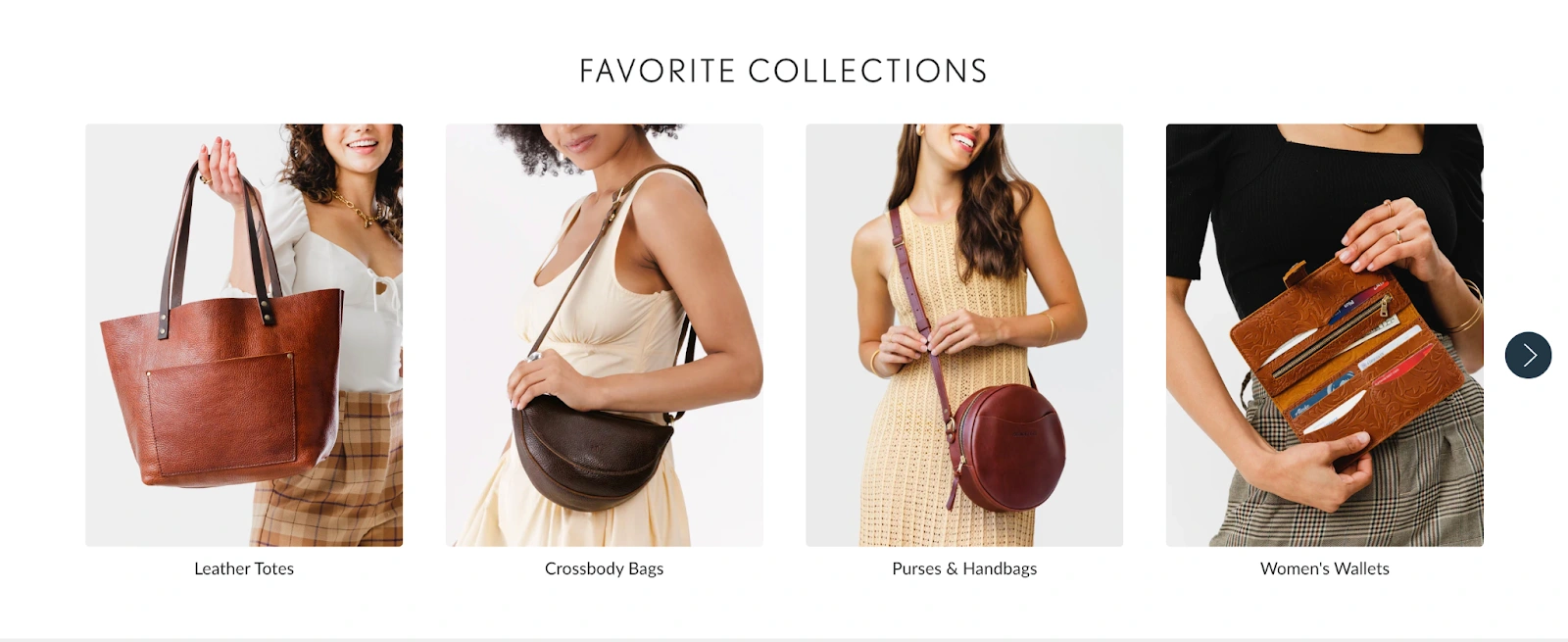
Identifying high-intent shoppers inside SMS flows
Portland Leather focused on improving how shoppers entered its SMS ecosystem. The goal was simple. Reach more high-intent visitors at the moments when SMS performs best.
The team implemented Tie to identify shoppers already visiting the site and enrich these profiles with usable signals. Those identities were synced directly into Postscript, where they could be activated inside existing SMS flows.
Importantly, Tie only reconnected shoppers who had already opted into SMS. Previously opted-in subscribers who appeared anonymous due to device changes, expired cookies, or logged-out sessions could now be recognized and routed into flows compliantly.
“There’s already a lot of efficiency in SMS. Being able to capture more of those data points just makes it work better.”
Seamless integration with the existing stack
The integration between Tie and Postscript was completed quickly. The setup required minimal internal effort and went live within a day, with support from both teams.
Once enabled, Tie ran quietly in the background. Identified shoppers flowed automatically into SMS campaigns without requiring ongoing maintenance or manual monitoring.
“It was very streamlined. We turned it on, and it just worked.”
Activating browse and cart abandonment at scale
Portland Leather began by applying Tie-powered identification to its highest-performing SMS flows, browse abandonment and cart abandonment.
These flows already played a meaningful role in revenue recovery. With Tie in place, they reached a broader set of shoppers who had previously moved through the site without entering the SMS channel.
The strategy centered on timing. Messages were triggered based on real on-site behavior, allowing the team to connect with shoppers while intent remained high.
“It helps us reach people while they’re actively browsing or thinking about buying.”
Improving efficiency without increasing complexity
SMS costs required a disciplined approach. Tie supported that goal by improving who received messages, not by increasing send frequency indiscriminately.
Identified shoppers entered flows automatically. Targeting stayed tight. The team maintained control over spend while expanding reach.
From an operational standpoint, the setup required little ongoing attention.
“As a marketer, it’s nice to have something you don’t have to constantly watch. It just runs.”
Laying the foundation for future expansion
With strong performance from browse and cart abandonment flows, Portland Leather began planning additional use cases:
- Welcome flows tailored to Tie-identified shoppers
- Campaign sends using Tie-based SMS audiences
- Lifecycle segmentation to track long-term performance
Tie became part of the infrastructure that enabled SMS growth. The focus stayed on relevance, timing, and sustainable revenue impact.
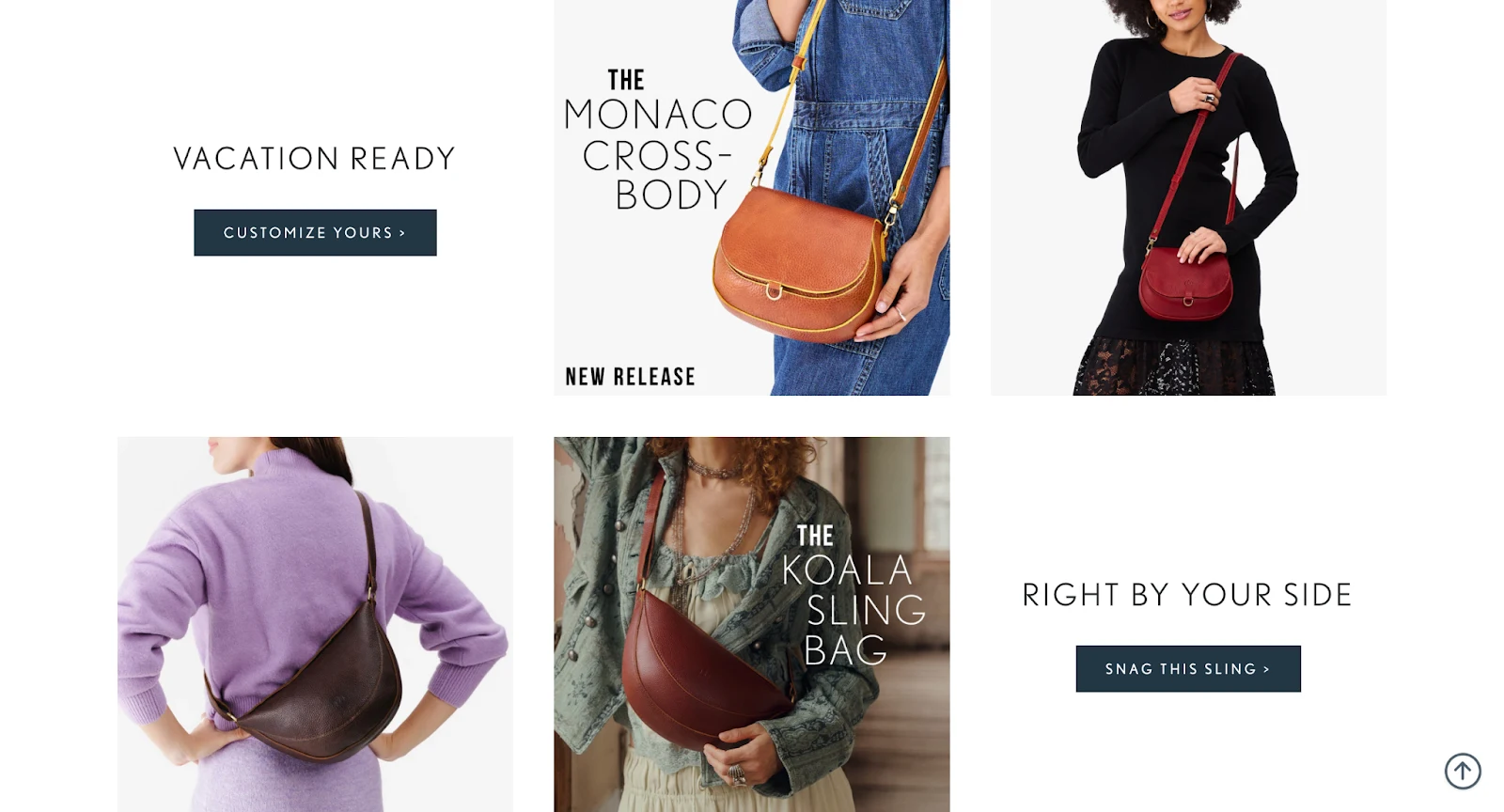
Immediate revenue lift from SMS flows
After launching Tie-powered identification inside browse and cart abandonment flows, Portland Leather saw measurable revenue impact within weeks.
By combining Tie-powered identification with Postscript SMS flows, the team drove a 16% increase in revenue.The lift came directly from reaching more high-intent shoppers at the right moments in their buying journey.
“We turned on the flows and saw a 16% increase in revenue. It was immediate.”
The results reinforced SMS as a dependable revenue channel and validated the decision to prioritise timing and reach instead of increasing send volume.
Expanded reach without sacrificing control
With Tie identifying more on-site visitors, Portland Leather delivered 45% more SMS sends through its abandonment flows.
Those additional sends came from improved identification, not from loosening targeting criteria. The shoppers added to SMS flows showed the same high-intent behaviors (repeat product views, cart activity, return visits) as those already receiving messages. However, without Tie, they had previously appeared anonymous.
The team maintained tight control over who entered each flow and when messages were triggered, expanding reach without diluting intent.
A 77% lower unsubscribe rate
Even with strong baseline engagement, Tie SMS flows saw a 77% reduction in unsubscribe rate after implementing. For a channel where opt-outs directly impact long-term value, the drop signaled stronger relevance and better timing.
“The unsubscribe rate really surprised us. It tells us we’re hitting people at the right time.”
Lower opt-outs meant subscribers stayed engaged with the brand longer, creating more opportunities for repeat purchases and sustained revenue over time.
Strong engagement signals across the funnel
Beyond revenue and unsubscribe metrics, Portland Leather saw improvements in engagement quality.
Tie-identified shoppers showed higher click-through rates and stronger order conversion. Those first purchases fed directly into post-purchase programs, where repeat buying historically increases.
“Once someone buys once, they’re much more likely to buy again. This helps us get there faster.”
The impact extended beyond a single flow or campaign. It strengthened the broader retention ecosystem.
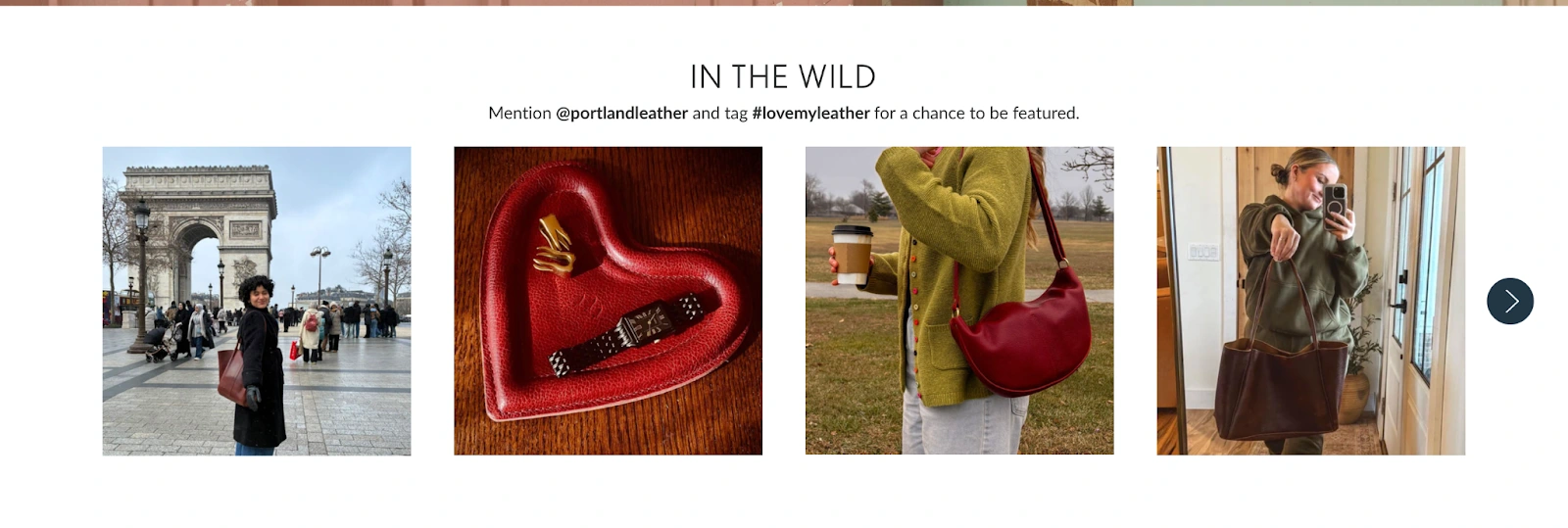
For brands running SMS as a core retention channel, timing and relevance determine long-term performance. Identifying shoppers while intent is high allows teams to activate abandonment flows more effectively and protect list health as volume scales.
Tie helps brands identify high-intent website visitors and activate them within SMS flows, driving incremental revenue while keeping unsubscribe rates low.























%20(1)%20(1)%20(2).jpg)
.png)








.svg)


.svg)